
Cracks in your walls, doors that won’t close right, and floors that feel off-kilter aren’t just minor annoyances—they’re warning signs that something’s up with your home’s foundation. Foundation repair starts by figuring out what’s going wrong structurally, then uses methods like pier installation, slab jacking, or crack sealing to lift, stabilize, and strengthen your foundation so your house sits right again.
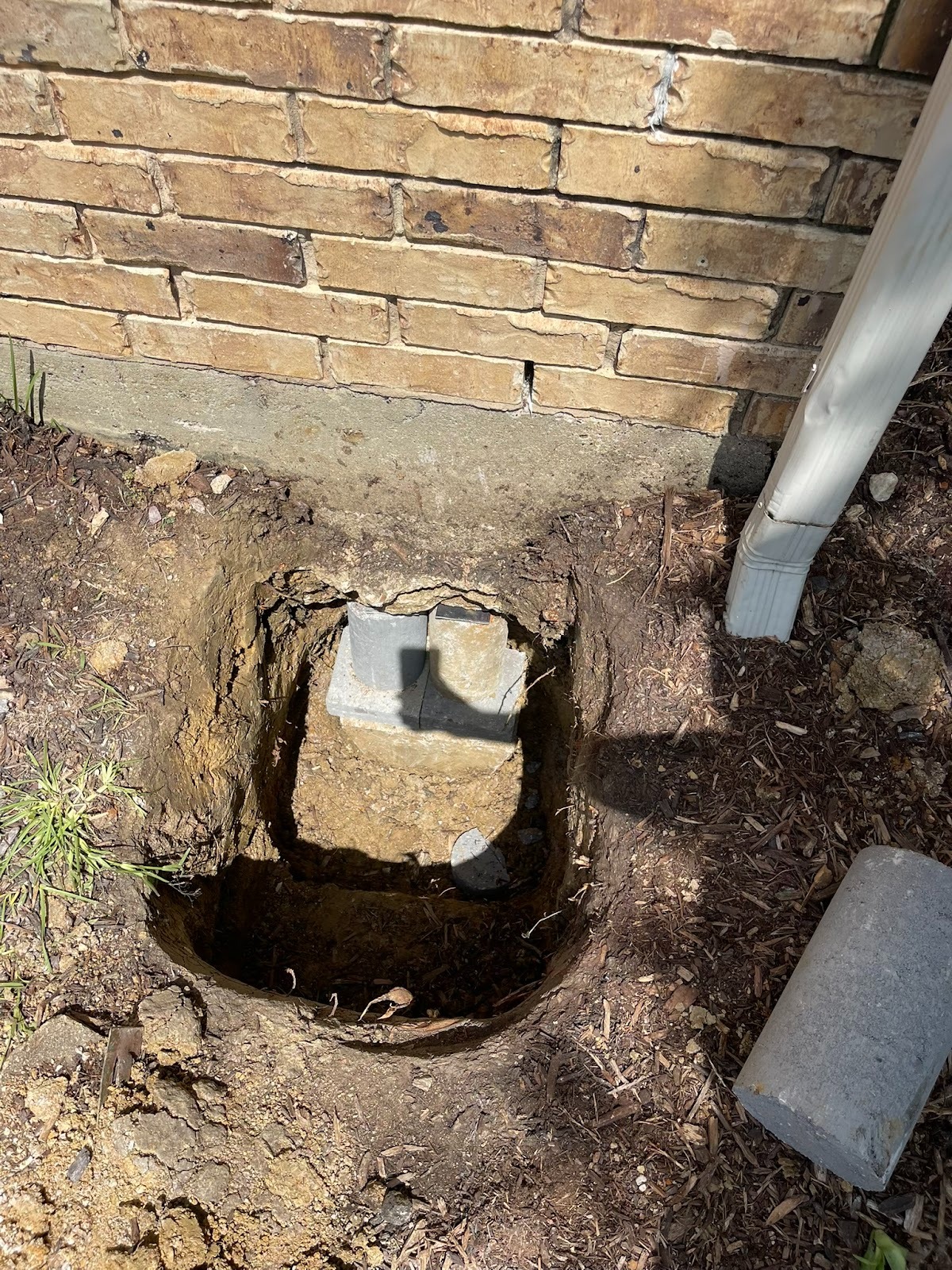
Most folks freak out the first time they spot foundation trouble, but knowing how the repair process works can help you make smarter choices about protecting your biggest investment. The silver lining? Foundation problems can be fixed—if you act quickly and hire skilled professionals who know what they’re doing.
You’ll get a sense of how pros evaluate foundation damage, which repair options fit different issues, and what actually happens during the fix. With this know-how, you’ll be better at spotting early warnings and picking the right path to keep your home safe and solid for the long haul.
Understanding Foundation Problems
Foundation damage can show up in all sorts of ways—cracks you can see, doors that stick, floors that don’t feel level. Usually, it comes down to soil shifting, water issues, and just plain structural stress messing with your home’s stability.
Common Signs of Foundation Damage
Cracks in walls are often the first red flag. Inside, they usually show up near doorways and windows. Outside, you might spot cracks running along mortar joints or slicing through brick and concrete.
Uneven floors are another giveaway. Maybe you notice marbles rolling across the room or gaps under the baseboards. Sometimes, it’s just obvious—you walk across and it feels sloped.
Sticking doors and windows means the frames are moving. Doors that used to swing shut now need a shove. Windows might get stuck or refuse to close all the way.
A leaning chimney is a classic sign, too. If you see gaps where the chimney meets your house, it’s probably settling weirdly.
Other things to watch for:
- Cracks in exterior brickwork
- Gaps between walls and ceilings
- Basement walls are bowing inward
- Water seeping into the basement
Spotting these early warning signs means you might catch problems before they get out of hand.
Causes of Foundation Issues
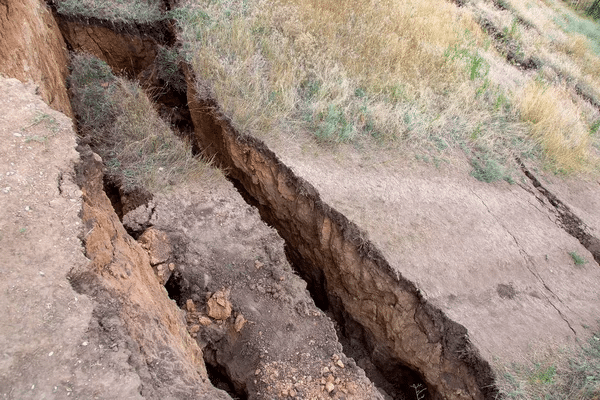
Soil movement is usually the main culprit. Expansive clay swells up when it’s wet and shrinks down when it’s dry, pushing and pulling on your foundation all the time.
If the soil wasn’t prepped right during construction, you can end up with soft spots that compress over time. The foundation settles into those weak areas, but not always evenly.
Water problems are a headache, too. Bad drainage lets soil get soggy and lose its strength. Clogged gutters dump water right next to the foundation, which can’t be good.
Leaks under the slab soften up the dirt, and tree roots nearby suck out moisture, making the soil shrink and shift around even more.
Weather plays a role. Freeze-thaw cycles make soil expand and push on the foundation, while long dry spells cause the ground to pull away.
Construction defects can haunt you for years. Skimpy footings, bad concrete, or ignoring soil conditions during the build can all lead to foundation movement.
Types of Foundation Movement
Foundation settling is when your house sinks into soft or loose soil. You’ll start with tiny cracks, but they get bigger. Doors stick, floors go wonky, and the whole place feels off.
Differential settlement is trickier—one part of the foundation drops faster than another. That’s when you get big cracks, twisted door frames, and sometimes pretty serious structural issues.
Upheaval is the opposite—parts of the foundation get pushed up by expanding soil or frost. Floors might crack or even buckle.
Lateral movement is when the foundation slides sideways, often because of soil pressure or water. You’ll see basement walls bowing in and horizontal cracks running across.
Each kind of movement needs a different repair method to truly fix it and stop more damage down the line.
Evaluating Foundation Damage
Getting a professional evaluation is key. Inspectors use a mix of inspection methods, soil analysis, and damage assessment to figure out what’s really going on. This helps dig up the root causes—stuff like bad soil or water problems that keep coming back.
Inspection Methods and Tools
Inspectors rely on a few tried-and-true techniques to check your home’s structure. Visual inspection is where it starts.
They look for cracks, sloping floors, sticking doors, and windows that don’t line up. Both inside and out—nothing gets skipped.
Some of the tools they use:
- Laser levels to check for floor changes
- Crack monitors to see if things are moving
- Moisture meters for leaks
- Borescopes to peek into hidden spots
Infrared cameras help spot cold or damp areas—good for finding leaks or air sneaking in. These gadgets help make sense of what’s happening and what needs fixing.
Inspectors also look at your drainage setup. Gutters, downspouts, and how the ground slopes away from the house—it all matters.
Diagnosing Soil and Drainage Conditions
Soil is a big player in foundation issues. Inspectors test what’s around your foundation to see if it’s risky.
Clay soil swells and shrinks, which isn’t great for foundations—it can crack things up and make the house settle funny.
Sandy soil drains fast, but it might not hold up your house well. If it wasn’t packed down right when the house was built, you could see foundation movement as time goes on.
Water management is huge for keeping things stable. Inspectors check stuff like:
| Component | Purpose | Common Issues |
| Drain tile | Redirects groundwater | Clogs, breaks, and bad installation |
| Sump pump | Removes extra water | Breakdowns, power loss |
| Grading | Keeps water moving away | Slopes the wrong way |
If drainage is poor, water builds up against the foundation. That pressure forces water through cracks, which only get bigger over time.
Severity Assessment and Reporting
How bad the damage is decides how fast you need to move and what repairs you’ll need. Inspectors group the problems so you know what’s next.
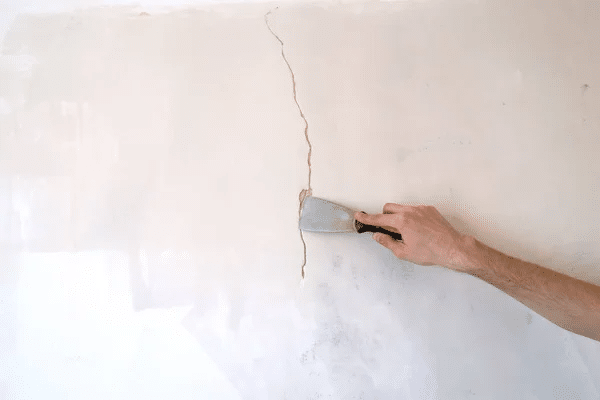
Minor damage means tiny cracks—less than 1/8 inch wide. Usually, you just keep an eye on these.
Moderate damage is cracks between 1/8 and 1/2 inch or a little movement. These need attention before they get worse.
Severe damage is big cracks (over 1/2 inch), major settling, or anything that makes the house unsafe. This is when you call in the pros ASAP.
Inspectors put together a report with photos and measurements. Sometimes a structural engineer steps in for the worst cases.
The report covers what repairs are needed and what they might cost. It’s what you need to make the call on how to move forward.
Types of Foundation Repair Solutions
Most foundation repairs fall into three buckets: underpinning to beef up the foundation, pier systems that transfer weight to solid ground, and concrete repair techniques for cracks and sunken slabs. Each one tackles a different problem with tried-and-true engineering.
Underpinning Techniques
Underpinning is all about strengthening what you’ve got. If the original support system isn’t cutting it, underpinning extends your foundation deeper or wider to reach better soil.
Mass concrete underpinning is the old-school way. Crews dig under your foundation in sections and pour concrete in stages, making a deeper, sturdier base.
Mini-pile underpinning uses slender steel or concrete piles driven down to solid ground, then ties them to your foundation with a concrete beam.
Work usually happens in alternating sections to keep your house steady while repairs are underway.
Underpinning is ideal if your foundation has settled due to bad soil or the house has gotten heavier over time. It’s a solid, lasting fix, but it takes a fair bit of digging and time.
Pier Installation Methods
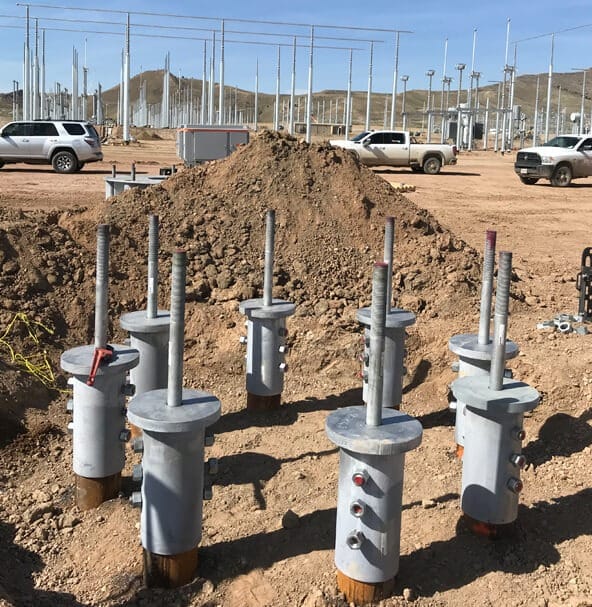
Steel piers are long, galvanized pipes hammered deep into stable soil. Push piers use your home’s weight to drive them down until they hit bedrock or solid ground.
Helical piers are a different animal. They’re steel shafts with screw-like plates that twist into the earth with hydraulic tools. The spiral shape gives them great grip, even in tricky soils.
Push pier installation:
- Dig around the foundation footings
- Set pier brackets against the footings
- Drive steel sections down to stable ground
- Lift the foundation with hydraulic jacks
- Lock the piers in place
Helical pier perks:
- Needs less digging
- Works well where the water table is high
- Good for lighter buildings
- Can be put in any season
Both pier systems usually cost about $3,000 per pier and give lasting support. Placement depends on your house’s weight and the soil underneath—your contractor will map it out.
Concrete Slab and Crack Repair
Slab jacking lifts sunken concrete slabs by pumping material underneath. This works for driveways, sidewalks, and garage floors where soil erosion or empty pockets have caused settling.
Mudjacking uses a cement-based slurry, injected through small holes in the slab. The mixture fills empty spaces and pushes the concrete back up where it belongs.
Polyurethane foam injection is a newer take on slab repair. The foam is light, expands quickly, and gets the slab level fast—plus, it cures in a hurry compared to traditional mudjacking.
Crack repair depends on the crack itself. Hairline cracks usually get sealed with epoxy or hydraulic cement to keep out water and stop the problem from getting worse.
Bigger, structural cracks need more work. Some need steel reinforcement, others might mean replacing whole sections if the damage is bad enough.
Slab repair costs:
- Slab jacking: $600–$1,600
- Polyurethane foam: Around $2,500
- Crack sealing: Around $500
Your best repair option really depends on the slab’s size, how easy it is to reach, and if you need to use the area right away.
The Foundation Repair Process Explained
Professional foundation repair starts with prepping the site and planning how to access the foundation. The actual repair uses specific steps based on what your house needs, and ends with quality checks to make sure everything holds up.
Site Preparation and Access
The crew begins by protecting your stuff and setting up safe work zones. They’ll roll out protective floor coverings and put up dust barriers to keep the mess under control.
Exterior prep can mean temporarily moving landscaping, decks, or other things near the foundation. They’ll mark where everything goes so it can be put back later.
Interior prep usually means moving furniture out of the way. Utilities in the work area get shut off, and clear paths are made for the crew and their gear.
Access points depend on your specific repair. Sometimes they dig around the outside of the house; other times, they go through basement floors or crawl spaces.
The team brings in hydraulic jacks, drilling tools, and concrete mixers. Safety barriers and warning signs are set up to keep everyone safe while the work is happening.
Step-by-Step Repair Procedures
The repair process changes depending on your foundation issue, but most follow these steps:
Structural repairs start by putting in supports like steel piers or concrete pilings. These go deep into solid ground to carry your house’s weight away from the damaged spots.
Crack repair means cleaning out the cracks and sealing them, sometimes with foam injection. Big cracks might need steel bars before the sealant goes in.
Leveling is done with hydraulic jacks, slowly raising sunken areas over several hours to avoid new problems.
Waterproofing could involve adding barriers, drainage, or sealing up the foundation walls to keep water out from now on.
The crew keeps a close eye on each step, snapping photos and taking measurements to track progress.
Quality Assurance and Final Evaluation
Once repairs are finished, a final inspection checks all the work. Levels, measuring tools, and visual checks are used throughout.
Structural integrity gets tested to make sure supports are secure and everything meets code. The team double-checks that new piers or supports are solid and carrying the load.
Level verification means measuring across different spots to confirm everything’s even and stable.
Waterproofing is tested too, when relevant. They’ll make sure seals are cured and drainage works like it should.
After all that, they clean up—replacing landscaping, pulling up coverings, and hauling away debris.
During the final walkthrough, you’ll get info on warranties and how to keep an eye on your foundation. They’ll hand over paperwork and maintenance tips, just in case.
Choosing Foundation Repair Services
Finding decent foundation repair services means checking contractor qualifications, getting several estimates, and knowing what quality work should look like. Licensed contractors with real experience are a safer bet than a jack-of-all-trades handyman.
Selecting Qualified Foundation Contractors
Look for licensed contractors with a track record in foundation work. Check your state’s licensing rules—most require special licenses for structural repairs.
Ask if they’ve got certifications from groups like the International Concrete Repair Institute. That shows they’re keeping up with the latest repair techniques.
Key things to check:
- Active state contractor license
- General liability insurance
- Workers comp
- Better Business Bureau rating
- Local references—recent ones
Honestly, experience beats a low price. Foundation repairs are serious. Someone who’s done hundreds of jobs will spot trouble faster than a newbie.
How long have they been in business? Newer companies might not have seen it all yet. The old guard has probably handled every weird foundation problem out there.
Comparing Repair Companies and Estimates
It’s smart to get at least three quotes. Make sure each estimate uses the same repair method, so you’re comparing apples to apples. Prices can be all over the place.
What to compare:
- Materials (brands, quality)
- Labor hours and crew size
- Timeline
- Warranty details
- Itemized costs
Skip anyone who quotes you over the phone. They need to see the site—soil, access, the whole situation—to give a real estimate.
Have each contractor explain their plan. The best repair method really depends on your damage. There’s rarely a one-size-fits-all answer.
If a price seems way too low, be suspicious. Good materials and skilled labor aren’t cheap. Lowball bids usually mean shortcuts somewhere.
What to Expect from Professional Services
Real pros start with a solid inspection and diagnosis. They’ll tell you what’s wrong and how their fix will solve it.
Quality contractors spell it all out in writing—materials, methods, timeline, costs. Don’t sign anything until you’ve read it all.
Professional services should cover:
- Site prep and safety
- The right equipment for the job
- Quality control during the work
- Clean-up after
- Final inspection and testing
Repairs will disrupt your property a bit. Crews might dig up parts of your yard, but they should protect landscaping and fix what they can afterward.
Good contractors keep you in the loop—progress updates, changes, whatever comes up. Don’t be shy about asking questions.
Most reputable companies back their work with warranties, usually 10–25 years, depending on the method.
Frequently Asked Questions
Foundation repair uses different techniques to fix all sorts of structural issues. Weather and timing can definitely affect how repairs go and how well they last.
What are the common methods used for repairing foundation damage?
Contractors have a few reliable ways to handle foundation problems. The best choice depends on the crack and what’s causing it.
Epoxy injection is good for small cracks—fills them up and blocks water from sneaking in.
Polyurethane foam injection seals minor cracks and keeps water out. The foam expands to fill every gap.
Steel piers help when the foundation is settling. These get driven way down into stable soil and support the house from below.
Concrete pier systems are another way to stabilize foundations. The piers shift the weight to solid ground, not the unreliable soil up top.
Slab jacking is for lifting sunken concrete. Material is pumped underneath to raise it back in place.
Underpinning strengthens old foundations by making them deeper or wider. It’s used when the original foundation just can’t handle the load anymore.
How do professionals assess the severity of foundation problems before starting repairs?
Experts use a step-by-step approach to figure out what’s wrong. They’ll check cracks, look for water damage, and inspect plumbing.
They look for obvious clues—cracks in walls, doors that won’t close, sloping floors, gaps between walls and ceilings.
Measuring tools help track how much things have moved. They’ll note crack widths and check for any ongoing shifting.
Soil tests show if the ground is part of the problem. Clay soils and bad drainage are common culprits for foundation headaches.
Water damage checks focus on crawl spaces and basements. Standing water can slowly wreck foundation materials.
If things look really serious, a structural engineer might get involved. Their reports can help pick the right repair for complicated issues.
Inspections spot both current and potential future problems, which is critical for planning repairs that actually last.
What is the difference between underpinning and piering in the context of foundation repair?
Underpinning and piering are both used to strengthen foundations, but they go about it in their own ways.
Underpinning means extending or reinforcing your existing foundation, usually by adding concrete or steel supports right up against what’s already there.
Mass concrete underpinning is pretty straightforward: workers dig under the foundation and pour new concrete in stages, creating stronger sections underneath.
Steel underpinning swaps out concrete for steel beams, which can handle weight better than old, damaged concrete. It’s a bit more modern, honestly.
Piering, on the other hand, involves installing vertical supports that reach down to stable soil layers. Steel or concrete piers transfer your home’s weight to solid ground.
Push piers are common—they’re driven deep until they hit something solid, like load-bearing soil or bedrock. This works for most soil types.
Helical piers are a different beast. They screw into the ground (literally, like a giant screw), and they’re especially handy in softer soils where push piers might struggle.
Piering usually costs more but tends to last longer. Underpinning is often the go-to for less severe foundation issues. It’s not always a simple choice, though—every home’s different.
Can foundation repairs be done in any weather conditions, or are there ideal times of the year for it?
The weather definitely plays a role in how foundation repairs go. Some conditions just make the job trickier or less reliable.
Rain, for example, can really mess things up. When the soil’s wet, it gets unstable, and digging turns into a headache—sometimes even risky.
Freezing temperatures aren’t much better. Concrete just doesn’t set right in the cold. You might end up with damaged or slow-curing concrete if it’s too chilly.
On the flip side, blazing hot weather isn’t ideal either. Concrete dries out too fast, which can cause cracks and weaker repairs. Nobody wants that.
Honestly, spring and fall are usually the sweet spots for this kind of work. The weather’s mild, there’s less rain, and everything tends to go more smoothly.
When the ground’s dry, excavation is safer and more precise; contractors appreciate not having to fight with soggy, unpredictable soil.
Still, sometimes you can’t wait. If your foundation’s in serious trouble, repairs might have to happen no matter what the weather’s doing outside.
Indoor foundation repairs—like in basements or crawl spaces—aren’t as affected by the weather, so those can usually happen whenever.
In the end, your contractor’s the best person to help you figure out timing. They’ll weigh the forecast and how urgent your foundation issues are before making a call.