
Your concrete slab foundation might look rock solid, but even the sturdiest slabs can crack, settle, or start to sink as the years go by. In fact, about 80% of homeowners eventually run into these headaches, turning what should be your home’s anchor into a source of stress—and sometimes a money pit.
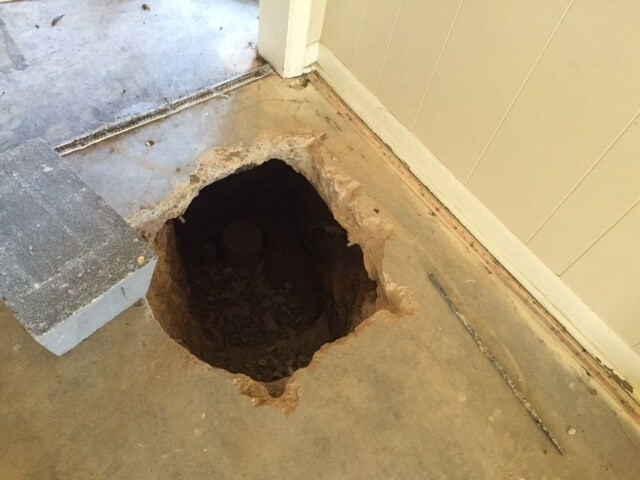
Most concrete slab foundation problems can be fixed with the proper repair method, whether that’s simple crack filling for hairline fractures or professional slab lifting for severe settling. The trick is catching these things early—before they start messing with your whole house.
Knowing when to tackle repairs yourself and when to call in the pros can save you a fortune and help keep your home’s value steady. You’ll get a sense of the warning signs, compare solutions, and figure out how to keep your foundation healthy for the long haul.
Understanding Concrete Slab Foundations
A concrete slab foundation is basically a flat chunk of concrete poured right onto the ground, serving as both the base and the floor of your home. These foundations address challenges such as shifting soil, moisture fluctuations, and construction quirks that can lead to cracks or settlement. Sometimes it feels like the ground itself is out to get you.
How Slab Foundations are Constructed
Your slab foundation construction starts with prepping the site and compacting the soil. Crews remove the topsoil and level things out.
Next, a vapor barrier goes down to keep moisture from sneaking up. Steel bars or wire mesh get added for strength.
Key construction elements include:
- Slab thickness of about 4-6 inches
- Steel reinforcement, either bars or mesh
- Perimeter footings that reach below the frost line
- Plumbing and electrical lines were set in place before the pour
Concrete gets poured in one go—no stopping and starting—to avoid weak spots. Workers use screeds and floats to level and smooth it.
Letting concrete cure properly takes about 28 days. During this time, it needs to stay moist and at a steady temperature, which, honestly, is trickier than it sounds.
Common Types of Foundation Problems
Slab issues usually fall into a few categories, all of which can compromise your home’s stability. Cracks are the most obvious red flag.
Settlement happens when:
- The soil under the slab compresses or washes away
- The original soil prep wasn’t done right
- Moisture changes make the ground shift
Heaving is caused by:
- Clay soils swell when wet
- Frost is pushing the slab upward
- Poor drainage is letting water collect
Water damage can result from:
- Plumbing leaks under the slab
- Bad drainage outside
- Groundwater pressure is building up
Crack patterns can tell you a lot. Hairline cracks? Usually just settling. Diagonal or wide cracks (over 1/4 inch)? That’s a sign you need to act fast.
Role of Soil Conditions in Foundation Performance
The soil under your house is a big deal—maybe more than most people realize. Clay soils are the worst offenders, swelling and shrinking with every rain or drought.
Expansive clay characteristics:
- Swells up to 10% when wet
- Shrinks a lot when dry
- Puts uneven pressure on your foundation
Sandy soils drain well, but heavy rain can wash them away, leaving gaps under your slab. That’s a recipe for settling.
Managing soil moisture impacts:
- How much does your foundation move
- When and where cracks show up
- What kind of repair will you need
Soil conditions in places like Dallas-Fort Worth make slab problems common. The region’s expansive clay loves to move around with the seasons, putting a lot of stress on concrete.
You can help by keeping the moisture level around your foundation steady. Good grading and drainage go a long way toward keeping things stable.
Identifying Signs of Concrete Slab Foundation Issues
Foundation problems can show up in all sorts of ways—cracks, doors that stick, or floors that don’t feel right. Spotting these early can save you a ton of trouble (and cash) down the road.
Typical Signs of Foundation Settlement and Damage
Foundation settlement is what happens when the soil under your slab shifts or sinks. You’ll see a few classic warning signs if you know what to look for.
Sloping floors are a dead giveaway. Try rolling a marble across the room—if it heads for one corner every time, you probably have settling. About 30% of foundation problems stem from poor soil that can’t support the weight.
Sticky doors and windows that don’t close like they used to? That’s another clue when your foundation shifts, door and window frames go out of whack.
Gaps between your walls, ceilings, or floors can appear, too, especially if parts of your house are settling at different rates.
Other structural damage can include:
- Walls pulling away
- Cracks where walls meet ceilings
- Floors that bounce or feel oddly soft
- Visible sinking in parts of the house
Recognizing Foundation Cracks and Their Types
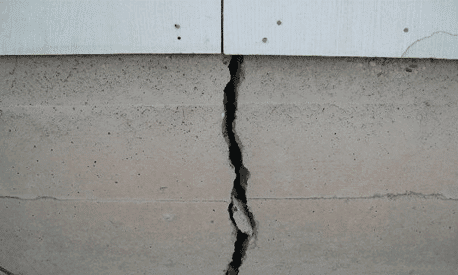
Foundation cracks come in all shapes and sizes. Each one tells a different story about what’s happening under your feet.
Hairline cracks are thin—under 1/8 inch—and usually just part of concrete aging. Still, keep an eye on them to make sure they don’t get worse.
Wide cracks (over 1/4 inch) are a much bigger deal. About 25% of homeowners end up needing major repairs because they ignored small cracks until they grew.
Crack patterns matter:
| Crack Type | What It Means | Action Needed |
| Straight line | Normal settling | Monitor for growth |
| Stair-step | Uneven settlement | Professional check |
| Horizontal | Serious pressure | Immediate repair |
| Multiple cracks | Major movement | Call the expert now |
If cracks keep getting wider, that’s a sign things are still moving. Mark the ends with a pencil and date them—you’ll know right away if they’re spreading.
Interior and Exterior Warning Signs
Interior warning signs often show up before you notice anything outside. Your house has a way of dropping hints when something’s off.
Inside, look for popped nails in drywall or random cracks in walls and ceilings. Floors that creak more than usual or feel spongy could mean your slab has shifted.
Doors that used to close on their own but now stay open? That’s a classic sign of settlement messing with your floor levels.
Exterior warning signs might include cracks in brick or siding. Step cracks in brick walls, especially along the mortar joints, usually indicate the foundation is moving.
Water pooling around your home is another red flag. Roughly 60% of slab foundations have moisture issues that can lead to bigger headaches.
Keep an eye out for:
- Gaps between your house and the walkways
- Cracks in the driveway or patio
- Soil is pulling away from the foundation
- Windows or doors that look crooked from the outside
These signs often show up together. If you spot one, it’s worth checking for others.
Concrete Slab Foundation Repair Methods
There are several ways to fix a concrete slab foundation and stop things from getting worse. Some repairs are simple—just filling a crack—while others involve lifting the whole slab with piers or supports.
Epoxy Injection for Cracks
Epoxy injection is a solid option for sealing cracks in your slab. The process involves injecting liquid epoxy under pressure into the crack.
You start by cleaning the crack and setting up injection ports. Then a technician pumps in epoxy, filling the entire crack from bottom to top. The stuff hardens up fast, often stronger than the concrete itself.
Epoxy injection works best for:
- Hairline to medium cracks
- Non-structural repairs
- Keeping water out
- Stopping cracks from spreading
This fix costs a lot less than replacing the slab and can make your foundation last for decades. Just keep in mind, epoxy only fixes the cracks you have—it won’t stop new ones if your foundation keeps settling.
Slab Jacking and Polyurethane Foam Lifting
Polyurethane foam jacking lifts sunken concrete slabs by injecting expanding foam beneath the foundation. This newer method is a lot quicker than old-school mud jacking.
The process starts with drilling small holes in your slab. Technicians inject polyurethane foam through these holes with specialized equipment. The foam expands within seconds, raising the concrete and filling any gaps underneath.
Key advantages include:
- Quick curing time – usually ready in 15-30 minutes
- Lightweight material – doesn’t add stress to the soil
- Precise lifting control – can be adjusted to exact heights
- Long-lasting results – resists water and erosion
Traditional slab jacking uses a cement-based slurry instead of foam. It costs less upfront, but requires larger holes and takes much longer to cure. The extra weight can actually make future settling more likely.
Helical Piers and Slab Piers
Helical piers are twisted steel shafts that screw deep into stable soil beneath your foundation. These helical pier systems provide permanent support for seriously damaged or sinking slabs.
To install them, crews screw the helical piers through your foundation until they hit solid soil or bedrock. Their design lets them pull into the ground like giant screws. After they’re set, hydraulic jacks lift your foundation back up to level.
Slab piers work in a similar way but use smooth steel pipes pushed into the ground with hydraulic rams. Ram Jack is a well-known brand for this. Both types move your home’s weight from weak surface soil down to stronger, deeper layers.
Pier installation benefits:
- Permanent foundation stabilization
- Minimal landscape disruption
- Can be installed in any weather
- Transferable warranties
Push Piers and Other Advanced Techniques
Push piers use your foundation’s own weight to drive steel pipe sections deep into stable soil. It’s a solid choice if the depth of good soil varies across your lot.
Crews excavate around your foundation and set up hydraulic rams against the concrete. Then, steel pier sections are pushed through the bad soil until they reach solid ground. The piers permanently support and lift your foundation.
Other advanced repair options include:
- Steel push piers with load testing
- Concrete piers for lighter structures
- Micropile systems for tough soil
- Soil stabilization with chemical injection
These advanced foundation repair methods cost more than surface-level fixes but are often the only real solution for severe problems. Professional engineers usually recommend them when standard repairs just won’t hold up in the long term.
Most advanced pier systems come with warranties of 25 years or more. They can even boost your property’s value, since you get proof of permanent stabilization.
Inspection and Choosing a Concrete Slab Foundation Contractor
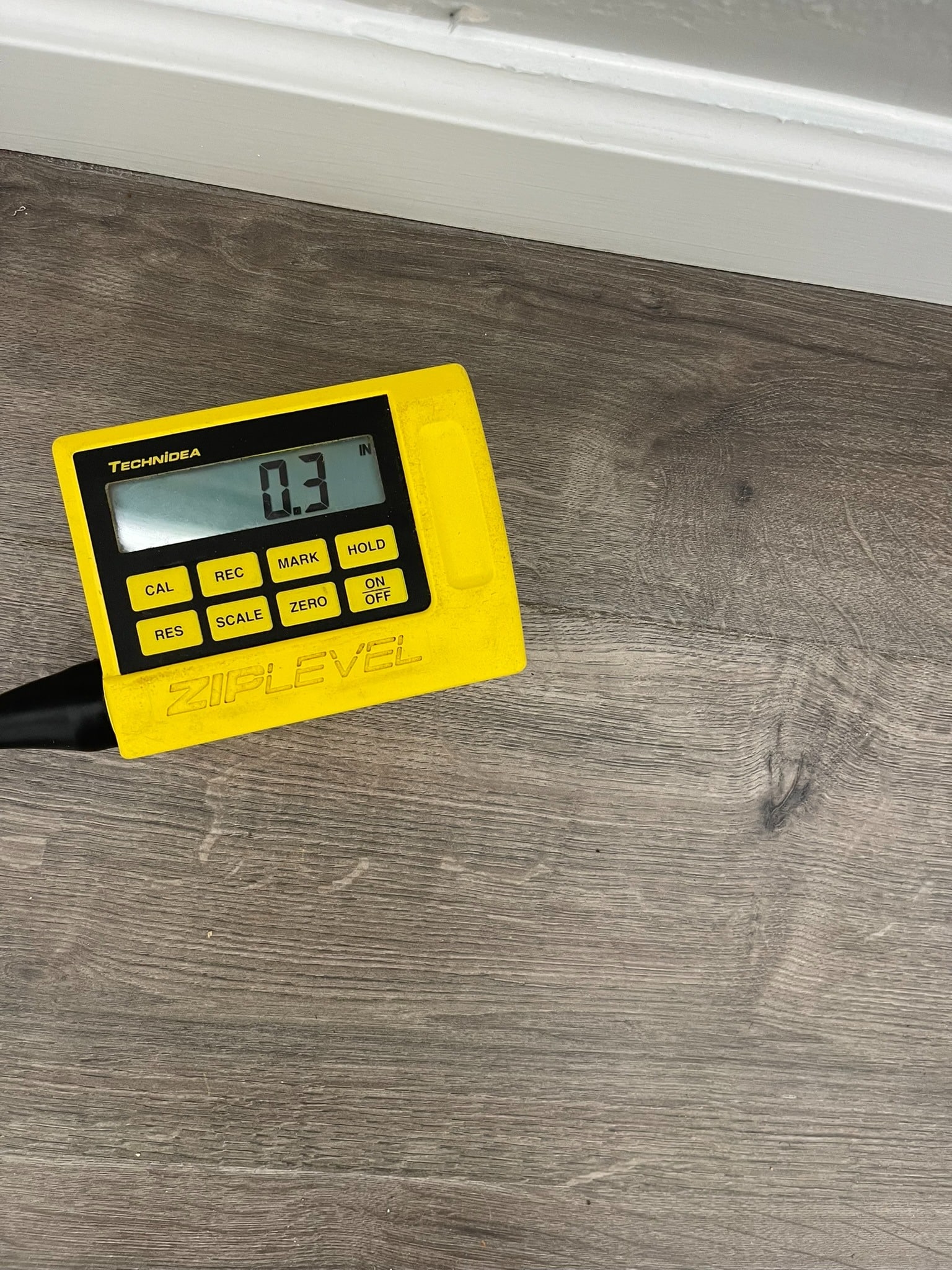
Getting a thorough foundation inspection early can save you a lot of money and headaches down the road. Qualified pros give you honest answers and repairs that actually protect your home’s value.
The Importance of Professional Foundation Inspection
A professional foundation inspection uncovers damage most homeowners would never spot. These folks know where to look for settlement, cracks, and soil problems that can turn into significant issues.
Inspectors use special tools to measure movement. They look for uneven floors, wall cracks, and doors that don’t line up. These are classic signs of deeper trouble.
Key inspection benefits include:
- Spotting problems early, before they get expensive
- Accurate repair cost estimates
- Documentation for insurance claims
- Peace of mind about your home’s safety
Regular inspections every couple of years help you catch things before they escalate. It’s smart to schedule one after big storms or earthquakes, or if you notice new cracks or settling.
The inspection process determines the cause and extent of slab damage, which guides repair decisions. Without a good assessment, repairs might miss the real issue.
Consulting a Structural Engineer
Sometimes, you need a structural engineer—especially if the foundation problems are complex or severe. They figure out load requirements and whether the repairs will actually work for your house.
Engineers go deeper than a basic inspection. They look at soil, your foundation’s design, and how your building sits on it. Their job is to recommend the proper fix, not just any fix.
When to call an engineer:
- Large cracks wider than 1/4 inch
- Noticeable floor sagging or unevenness
- Multiple problem spots
- Before big remodels or additions
Engineers lay out detailed repair plans for contractors. Their reports often satisfy building code or insurance requirements.
The engineering analysis helps you determine whether simple repairs will suffice or if you need something more involved. It’s a step that can save you from costly mistakes later.
Evaluating and Selecting a Foundation Contractor
Pick contractors who specialize in concrete slab foundation repair. General contractors might not have the right skills for this kind of work.
Essential contractor qualifications:
- Current state licensing and bonding
- Specialized in foundation repair
- At least five years of local experience
- Good customer references
- Full insurance coverage
Get written estimates from at least three companies. Compare their methods, materials, timelines, and especially warranty terms.
Ask how they inspect and what repairs they recommend. The best contractors will explain the root causes and why their approach makes sense.
Check reviews and Better Business Bureau ratings. Call recent customers—ask about the quality of work and if the company followed up as promised.
Make sure warranties cover both materials and labor. Reputable companies usually offer 5- to 10-year warranties for this work.
Be wary of anyone who demands full payment up front or pushes you to sign right away. Good foundation work takes planning and the proper permits.
Repair Costs, Maintenance, and Long-Term Care
Knowing what foundation repairs might cost helps you plan. Prices vary widely depending on the extent of the damage and the method you choose. Staying on top of maintenance can really cut down long-term expenses.
Factors Impacting Foundation Repair Cost
Several things will affect your final bill. The extent of the damage is usually the most significant factor.
Minor vs. Major Damage
Minor crack repairs can run $300-$800, but significant structural fixes might hit $15,000-$30,000. If the structure is at risk, expect more work and specialized crews.
Repair Method Selection
Different fixes have different price tags:
- Crack sealing: $300-$800
- Slab jacking: $500-$1,500
- Steel piers: $1,000-$3,000 per pier
- Complete replacement: $15,000-$30,000 or more
Property-Specific Factors
Your home’s size, weight, and the type of soil all play a part. Bigger homes need more materials and labor. If you’re on clay soil, expect more ongoing challenges.
Access matters too. If the damaged area is tricky to reach, it can cost more for special tools and extra time.
Typical Foundation Repair Costs to Expect
Most homeowners spend $2,200 to $8,100 on slab repairs. The national average is around $5,100 as of 2025.
Common Repair Price Ranges
| Repair Type | Cost Range |
| Minor cracks | $500-$2,000 |
| Moderate settling | $3,000-$7,000 |
| Major structural work | $15,000-$30,000+ |
Foundation repair prices have jumped 15-20% since 2020, mostly because of higher material and labor costs. Steel and concrete aren’t getting any cheaper.
Regional Variations
Your location matters, too. Labor rates and soil conditions can swing prices up or down. Areas with lots of clay soil see more problems, but competition can keep prices in check.
Emergency repairs almost always cost more than planned work. Always get a few quotes to see what’s fair in your area.
Tips for Preventing Future Foundation Problems
Preventive maintenance is your best bet for avoiding expensive repairs later. A little attention now protects your investment.
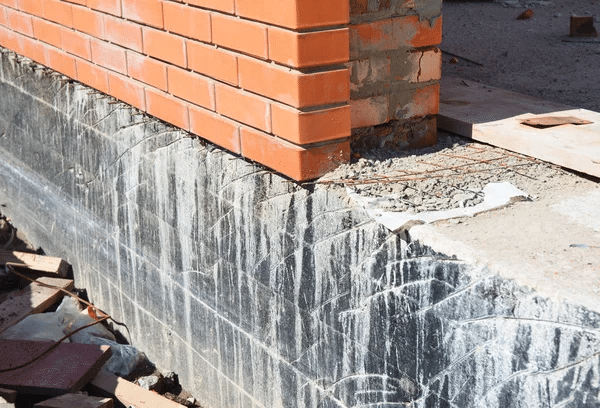
Water Management
Drainage is huge. Keep gutters clear and direct water away from your house. Downspout extensions should send water at least 6 feet out.
Make sure the soil slopes away from your foundation. Standing water can cause soil to shift and do real damage.
Soil Maintenance
Keep soil moisture consistent around your foundation. Water during dry spells, but don’t overdo it. Big swings in moisture make soil expand and contract.
Plant trees and big shrubs away from the foundation. Their roots can damage the concrete and the soil beneath.
Regular Inspections
Check for new cracks or changes every few months. Watch for sticking doors or window gaps—these can mean the foundation’s moving.
Seal small cracks right away. Budget a little every year for sealing and upkeep to avoid bigger headaches.
Have a pro inspect your foundation every 2-3 years, especially if you’re in an area known for foundation issues.
Frequently Asked Questions
Homeowners often have many questions about repair timelines, costs, and what to watch out for. Knowing the basics helps you figure out what your foundation needs.
What are the common signs that indicate a need for concrete slab foundation repair?
Cracks in your walls or floors are the most obvious red flag. Small hairline cracks are normal, but if you spot wider or diagonal ones, it’s a sign the slab is moving.
Doors and windows that suddenly stick or just won’t close right? That’s another hint. Foundation shifting can make you push or pull harder than you used to.
Ever notice your floors sloping or feeling a little off? Even subtle unevenness can mean parts of your slab are sinking or lifting.
Gaps around windows, door frames, or baseboards can pop up out of nowhere as your home shifts away from its original position.
Plumbing issues sometimes go hand in hand with foundation trouble. Cracked slabs can mess with pipes underneath, and leaks just make soil problems worse.
How do you determine the severity of damage to a concrete slab foundation?
Pros use specialized tools to check for changes in floor elevation. They’ll pinpoint precisely where your slab is dropping or rising.
Cracks wider than 1/8 inch or running diagonally across walls are a big deal. Tiny hairline cracks? Usually just something to keep an eye on.
When damage appears in several spots, repairs become more complicated. One small area is easier to fix than a bunch of trouble zones.
Soil under your foundation matters, too. Engineers will check how stable it is to figure out how deep and where to put piers.
What is the estimated cost range for professional concrete slab foundation repair services?
Minor leveling repairs usually run between $3,000 and $5,000. That’s for more minor fixes in limited spots.
Major repairs can go over $10,000 if the damage is widespread. The more piers and lifting points you need, the more it adds up.
Bigger homes mean bigger bills. More ground to cover means more materials and labor, plain and simple.
Catching problems early can save you a bundle. The longer you wait, the worse (and pricier) it gets.
How long does it typically take to complete a concrete slab foundation repair project?
Most concrete slab repairs run about 2 to 5 days, though it really depends on how bad the damage is and what the weather decides to do. If you’re just dealing with a straightforward leveling job, you’ll probably be done sooner than if there’s big structural stuff going on.
The weather can definitely throw a wrench in the schedule. Rainy days or wild temps? Not great for concrete or the ground underneath.
Chances are, you can stay home while the work’s happening since most of it’s outside or tucked underneath the foundation. Inside your house, you’ll barely notice anything’s going on.
One thing people sometimes forget: getting everything ready can tack on a couple of days. Clearing out access spots or moving plants and shrubs isn’t always quick.