
Your home’s foundation is what keeps everything standing—literally. When you start noticing cracks or sagging floors, you’re faced with a tough decision. Do you fix the problem, or is it time to go all-in and replace the foundation entirely?
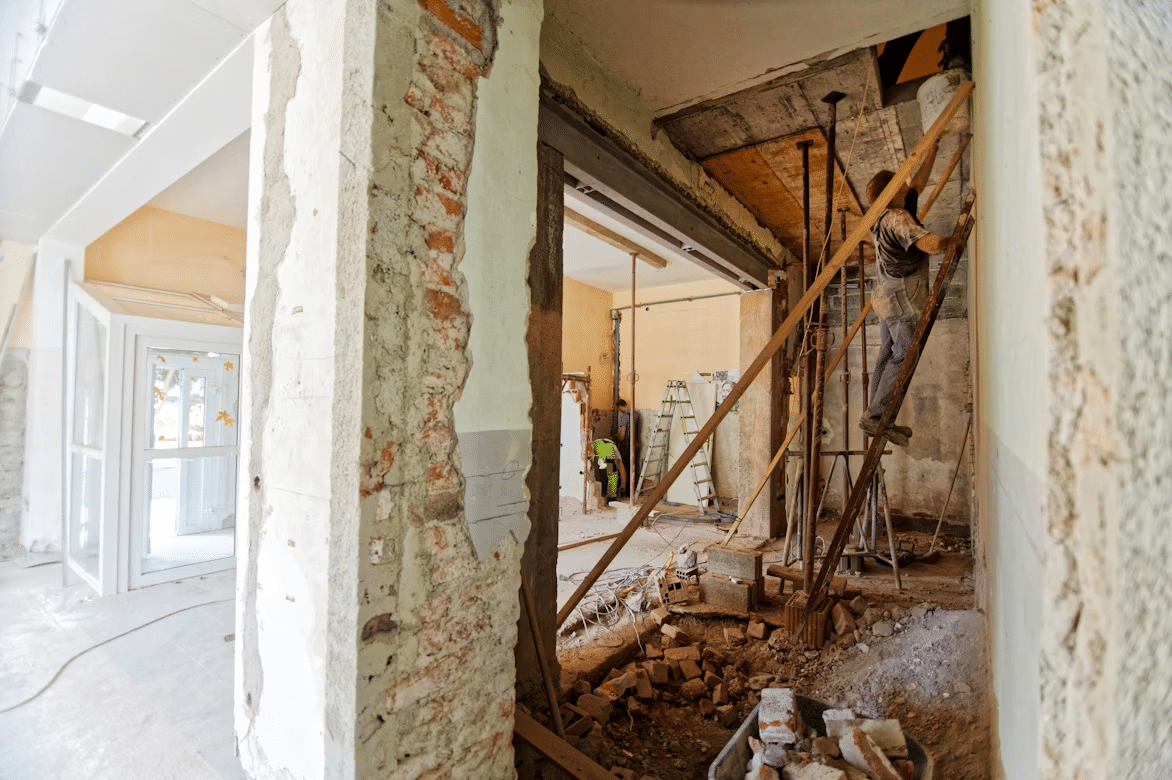
The choice really comes down to the extent of the damage, the age of your foundation, and, of course, your budget. Small cracks or minor settling? Repairs are usually enough. But if you’re dealing with major structural issues or the whole thing is falling apart, replacement might be the only real fix.
Key Differences Between Foundation Repair and Replacement
Foundation repair focuses on fixing specific trouble spots using targeted methods. Foundation replacement? That’s a total overhaul—ripping out the old and building a new one from the ground up.
What Is Foundation Repair
Foundation repair is all about zeroing in on the problems without tearing everything apart. The goal is to keep your original foundation intact and just fix the areas that need help.
Common repair methods include:
- Underpinning – Adding support with piers or steel push piers
- Crack injection – Sealing up cracks with epoxy or polyurethane
- Slab jacking – Raising sunken concrete sections
These fixes work best for minor or moderate issues. Think small cracks, a bit of settling, or a weak spot here and there.
Typical repair timelines:
- Simple crack repairs: 1-2 days
- Pier installation: 3-5 days
- Slab lifting: 1-3 days
Most of the time, you can keep living at home while repairs happen. It’s usually not a huge disruption.
Repair lets you shore up your home’s structure without a massive construction project. You keep the original bones while patching up the trouble areas.
Understanding Foundation Replacement
Replacement is the nuclear option: you lift the house, tear out the old foundation, and build a new one. It’s a big job—no sugar-coating it.
The steps usually look like this:
- House lifting – Hydraulic jacks gently raise your home
- Foundation removal – Out with the old, all the way down
- New construction – Pouring and building a fresh foundation using modern materials
You go this route when the damage is everywhere—huge cracks, major settling, or the foundation is just done for.
Replacement makes sense if:
- Your foundation is 50+ years old and has lots of issues
- There’s severe damage throughout
- It was built with outdated materials or shoddy methods
This process takes anywhere from 2 to 4 weeks, depending on your home’s size. And, yeah, you can’t stay in the house while it’s happening.
But you do get a foundation built to today’s codes, with better materials—so it should last for decades.
Comparing Structural Approaches
Repair and replacement are pretty different in how they tackle structural problems and bring stability back.
| Factor | Foundation Repair | Foundation Replacement |
| Structural Impact | Fixes specific weak points | Complete structural renewal |
| Foundation Age | Keeps existing foundation | Brand new foundation system |
| Problem Scope | Addresses isolated issues | Solves all foundation problems |
Repair keeps the basic structure you already have, just reinforces the weak spots. You’re not changing the design or materials—just making it stronger where it needs it.
Replacement is a total reset. Everything gets rebuilt from scratch, using up-to-date standards and materials.
Repairs work if the foundation’s core is still solid. If you’ve got problems all over, though, replacement is usually the safer bet.
Here’s the difference in results:
- Repair: Stability comes back to the problem areas
- Replacement: You get even strength throughout
How old your foundation is can be a big factor. If it’s fairly new, repairs might do the trick. But with older ones, sometimes you just have to start over to get real peace of mind.
Identifying Foundation Problems and Warning Signs
Spotting foundation problems early can save you a lot of money and headaches. The big red flags? Cracks in walls or floors, doors that suddenly stick, uneven floors, or visible structural damage to your home’s framing.
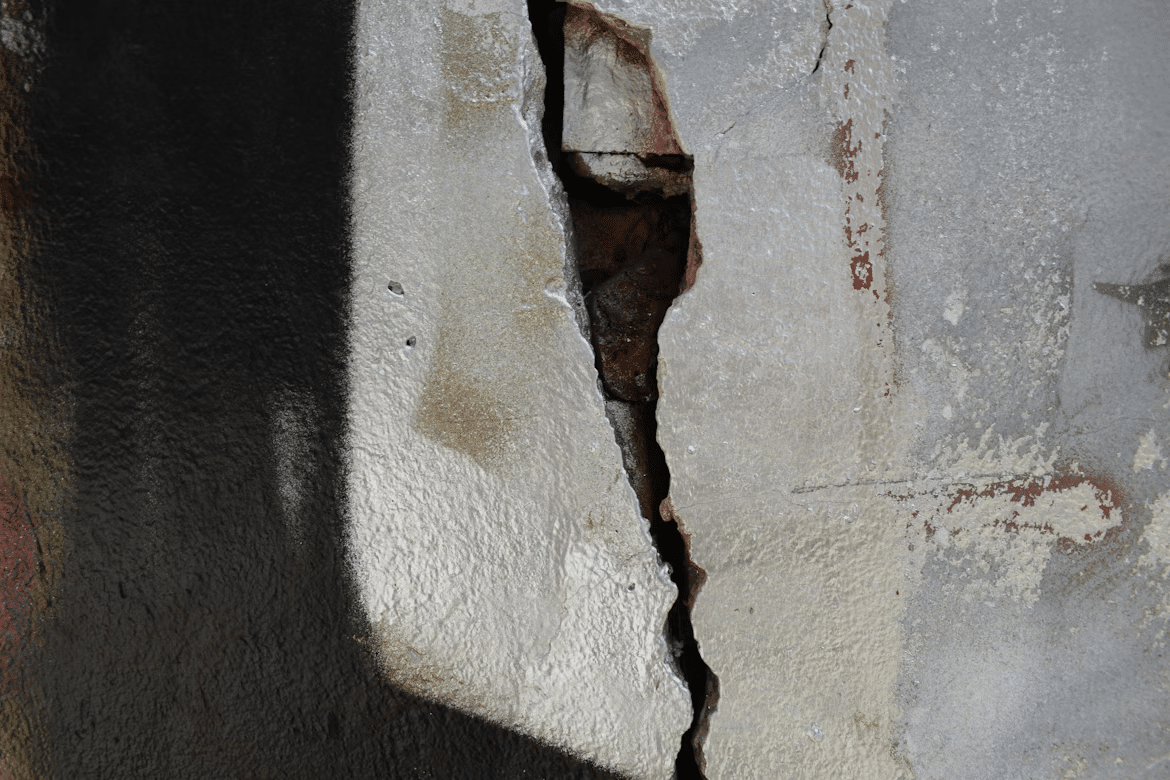
Foundation Cracks Explained
Not every crack is a disaster. Tiny hairline cracks (less than 1/8 inch wide) usually just mean your house is settling a bit.
Horizontal cracks are the ones to really worry about. They can mean that soil or water is pressing hard against your foundation walls.
Vertical cracks wider than 1/4 inch? Those need a closer look. They often show settling or shifting soil under your house.
Stair-step cracks in brick or block foundations are a sign of uneven settling—these cracks zigzag along the mortar lines.
Water getting through foundation cracks is a recipe for more problems. It can weaken the structure and even bring mold into the picture.
Keep an eye on crack width. If cracks are getting wider, it’s time to call in a pro.
Recognizing Uneven Floors
Uneven floors are a classic sign that your foundation is moving around. Roll a marble across the floor—if it doesn’t go straight, you might have a problem.
Sagging floors feel soft or bouncy. That usually means there’s trouble with the foundation supports or floor joists.
Floors sloping toward exterior walls can mean one side of the foundation is sinking. Sometimes you’ll see furniture sliding or gaps where walls meet the floor.
Gaps between the floor and baseboards also point to movement. These spaces get bigger as the foundation shifts.
Hardwood floors might start showing gaps between boards, while tile floors can crack along the grout lines if the subfloor moves.
Contractors use laser levels to check if floors are out of whack. If you see more than a 1/2 inch slope over 20 feet, that’s a sign you need foundation work.
Common Foundation Issues
Foundation problems usually come from soil movement, water, or just plain old wear and tear.
Soil expansion and contraction are the main culprits. Clay soils swell when wet and shrink when dry, putting your foundation through a constant tug-of-war.
Poor drainage lets water pool around your house, which weakens the concrete and pushes against the basement walls.
Tree roots can be sneaky. They suck moisture out of the soil or even grow into cracks, especially if you have big trees close to the house.
Plumbing leaks under the slab can saturate the soil and make the foundation shift. Even a small leak can cause trouble if left alone.
Older foundations just wear out. Concrete will crack and settle as it ages, especially if it wasn’t built with today’s materials or methods.
Signs of Structural Damage
Doors and windows that start sticking can be a sign that your foundation is moving and throwing the frame out of alignment.
Doors that won’t close right or need a shove? The frame might be out of square from uneven settling.
Windows that are hard to open or have gaps around the frame also point to movement. Sometimes you’ll even see cracks in the glass.
Wall cracks near doors and windows, especially if they run diagonally from the corners, are a classic warning sign.
Bowing basement walls are serious business. If your basement walls are curving inward, that’s a sign of dangerous pressure from outside.
Gaps between walls and ceilings mean different parts of your house are pulling apart. That’s a sign the whole structure is shifting—not good.
Causes of Foundation Damage
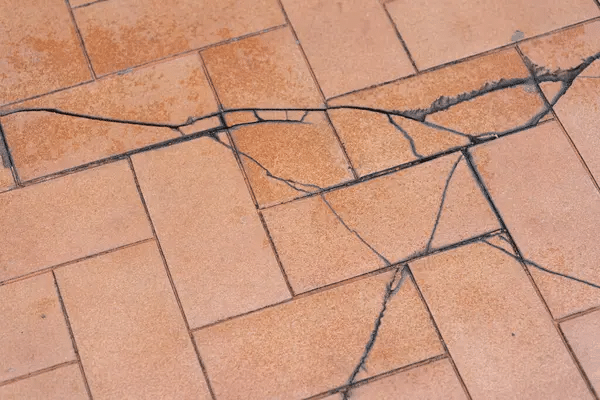
Foundation damage usually comes down to three things: shifting soil, water problems, and poor construction. All of these can mess with your home’s stability in different ways.
How Soil Movement Impacts Foundations
Soil movement under your house leads to what’s called “differential settlement.” Basically, different parts of your foundation settle at different rates.
Expansive clay soils are probably the worst offenders. They swell up when wet, shrink when dry, and just keep pushing and pulling your foundation.
Erosion-prone soils can wash away during heavy rain, leaving parts of your foundation unsupported and prone to sinking.
Earthquakes (even small ones) can shake things up enough to shift the soil and damage your foundation over time.
Poor soil compaction during construction means the ground wasn’t packed tight enough. As it compresses over time, your house settles unevenly.
Watch out for these warning signs:
- Cracks in the basement walls
- Uneven floors
- Doors that stick or won’t close
- Gaps between walls and ceilings
The Role of Water and Drainage
Water is probably the most common culprit behind foundation trouble. Poor drainage around your foundation lets water gather in the soil, which builds up pressure against your walls.
Hydrostatic pressure happens when water can’t escape from the soil. That pressure forces water through tiny cracks and can make foundation walls bow inward.
Leaking pipes and broken sprinkler systems soak the soil near your foundation. If you have clay soils, too much moisture makes them swell and push against the concrete.
Missing or broken gutters dump rainwater right next to your house, creating wet patches and uneven soil.
Basement flooding slowly eats away at foundation materials. Water sitting against concrete and steel leads to deterioration and rust.
Some classic signs of water damage:
- White, chalky residue on basement walls
- Musty smells in crawl spaces
- Puddles after it rains
- Bowing basement walls
Influence of Construction Techniques
Construction quality directly affects how well your foundation stands up to stress over the years. Bad building practices leave weak spots that can fail later on.
Inadequate reinforcement means there’s not enough steel rebar inside the concrete. Without it, foundations crack under pressure.
A wrong concrete mix makes foundations fragile or brittle. Builders need to use the right blend of cement, sand, and gravel for the local soil.
Improper curing time leads to weak concrete. If the drying process is rushed, the concrete can’t handle normal house loads.
Missing vapor barriers let moisture sneak through foundation walls, which leads to mold and weakens the concrete.
Shallow footings don’t reach solid ground. Foundations need to sit below the frost line and on stable soil, or you’re asking for trouble.
Construction problems usually show up as:
- Widespread cracking
- Foundation settling in the first few years
- Moisture issues throughout the house
- Structural damage that seems to get worse fast
Foundation Repair Methods and Solutions
Professional foundation repair uses several tried-and-true methods to tackle structural issues. Push piers and helical piers offer deep foundation support, while soil stabilization targets the ground itself when that’s what’s causing movement.
Push Piers and Helical Piers
Push piers and helical piers are steel foundation systems that shift your home’s weight down to stable, deep soil layers. These methods are used when the topsoil can’t do the job.
Push piers use hydraulic force to drive steel tubes through soft soil until they hit bedrock or something solid. They can even lift your foundation back up and keep it there for good.
Helical piers have spiral-shaped shafts that screw into the ground like giant screws. They’re versatile, work in lots of soil types, and can be installed any time of year.
Both systems have a few big upsides:
- Permanent solution—they don’t wear out
- Minimal digging compared to a full replacement
- Can lift settled foundations back up
- Works in most soil conditions
Installation usually takes a day or two, maybe three for bigger homes. Pros figure out where to put the piers by looking at your house’s weight and the soil underneath.
Soil Stabilization Technologies
Soil stabilization goes after the real cause of foundation problems by treating the ground beneath your house. There are two main ways to do this.
Polyurethane foam injection pumps expand foam through small holes under your concrete slab. The foam fills gaps, compacts loose soil, and can lift sunken spots. It’s quick and doesn’t make a mess.
Mudjacking uses a cement-based mixture, pumped under the foundation through drilled holes. It fills voids and raises settled concrete back in place.
Why consider soil stabilization?
- Fixes the underlying cause instead of just patching symptoms
- Less expensive than piers for minor settling
- Quick install—often done in a day
- Minimal property damage during the work
These methods are best for mild to moderate settling. If your foundation is badly damaged, you’ll probably need piers or something more heavy-duty.
DIY Foundation Repair Considerations
DIY foundation repair? Only for tiny, cosmetic stuff. Most foundation issues need a professional eye (and their tools) to be fixed right and safely.
Safe DIY jobs might include:
- Sealing hairline cracks with concrete caulk
- Improving drainage around your house
- Applying waterproofing paint in the basement
- Adding gutters and downspouts
Avoid DIY for these:
- Structural cracks wider than 1/4 inch
- Settling or uneven floors
- Bowing basement walls or horizontal cracks
- Serious water intrusion
Pros have the training and equipment for proper repairs. They’ll tell you if you need repair or replacement for your unique situation.
Trying to DIY major repairs can actually make things worse and cost more down the line. Plus, most foundation work needs permits and inspections that only licensed contractors can get.
When to Choose Foundation Repair or Replacement
Deciding between repair and replacement mostly comes down to how bad the damage is, what the pros say, and what’s safest for the long haul. Cost and safety both matter here, too.
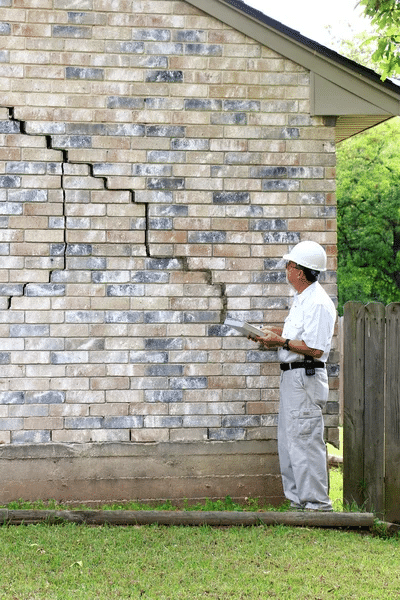
Assessing Severity and Scope of Damage
Small foundation issues usually just need repair. Things like hairline cracks, a little settling, or minor water damage can often be fixed without replacing everything.
Repair-worthy issues include:
- Cracks under 1/4 inch wide
- A bit of water seeping in
- Small patches of damaged concrete
- Slight settling
Major structural damage? That’s a different story. Problems that threaten your home’s stability usually call for replacement.
Replacement indicators:
- Cracks over 1/2 inch wide
- Severe shifting
- Multiple structural issues
- Sections where the foundation has failed completely
Age matters, too. Old foundations with lots of damage tend to do better with replacement than repeated repairs.
Professional Evaluation and Decision-Making
Licensed foundation experts will give you a real assessment. They check the soil, look for structural damage, and consider safety before telling you what to do.
Inspectors look at a bunch of things—foundation materials, crack sizes, and soil stability around your house.
The evaluation process includes:
- Testing structural integrity
- Analyzing soil
- Checking moisture levels
- Reviewing load-bearing capacity
Foundation repair specialists use specialized tools to measure problems accurately. They can determine if repairs will solve issues long-term or if replacement is necessary.
It’s smart to get more than one expert opinion. Contractors don’t always agree on the best fix.
When you get cost estimates, think long-term. Sometimes, a pricier replacement ends up being cheaper than years of patchwork repairs.
Longevity and Structural Integrity Concerns
Foundation repair works fine for isolated problems, but sometimes it doesn’t tackle what’s really wrong. Structural integrity depends on the overall shape of your foundation.
Done right, repairs can add decades to your foundation’s life—often 20-30 years if you keep up with maintenance and your soil behaves.
- Materials used
- Soil stability
- Drainage around your house
- The original quality of the foundation
Replacement is the most durable fix for serious foundation issues. New foundations can last 50-100 years if built and maintained properly.
If your house keeps having foundation problems, full replacement often makes more sense than another round of repairs.
Building codes keep changing, too. New foundations have to meet higher standards for safety and durability than older ones ever did.
Frequently Asked Questions
Homeowners dealing with foundation issues usually have questions—about timing, costs, and which repair methods make sense. Getting a handle on these factors can help you make better choices for your home.
What are the signs that indicate a need for foundation repair?
Cracks in your walls, especially near doors and windows, can be a red flag. You might also spot doors and windows that stick or refuse to close properly.
Uneven or sagging floors? That’s a classic sign of settling. Watch for gaps between your floor and the baseboards, too.
Water damage in basements or crawl spaces points to moisture problems. Standing water or dampness will eventually weaken your foundation.
Outside, check for cracks in the foundation walls. If the soil’s pulling away from your foundation, that’s another sign of movement or settling.
How does the cost of repairing a foundation compare to the cost of replacing it?
Foundation repairs usually cost a lot less than a full replacement. Fixing minor cracks could run you anywhere from a few hundred bucks up to a few thousand, depending on how bad things look.
Bigger jobs like underpinning or waterproofing? Those tend to fall in the $5,000 to $15,000 ballpark, though it really depends on your house and just how much damage you’re dealing with.
If you’re talking about replacing the entire foundation, that’s a whole different story—think $20,000 to $100,000 or even more. The price tag mostly comes down to your home’s size and what people charge for labor in your area.
Foundation repair costs are generally more budget-friendly than complete replacement. Most folks stick with repairs if they can, since it’s way easier on the wallet.
What are the most effective methods for repairing a foundation?
For small concrete cracks, crack injection is a solid choice. Epoxy or polyurethane gets pumped in to seal things up and stop water from sneaking through.
When a foundation starts settling, steel piers or helical piers are the go-to. These get driven deep down into stable soil and help prop up your house.
Got a sunken concrete slab? Slab jacking is pretty clever—they pump concrete or foam underneath to lift it back into place.
Waterproofing, on the other hand, can mean anything from exterior membranes to interior drainage setups. French drains and sump pumps? They’re classics for keeping water under control.
How long does a typical foundation repair take versus a full replacement?
Foundation repairs usually wrap up in 2-3 days. If it’s just a small crack, you might see it done in a single afternoon.
Bigger jobs, like installing piers, can stretch out to a week or so. Weather and soil—those can throw a wrench in the schedule, too.
Full foundation replacement is a bigger ordeal, often taking 1-2 weeks. That covers everything from tearing out the old slab to pouring new concrete.
If your house is large or the foundation is complicated, expect it to take even longer. Every project’s a little different, honestly.