
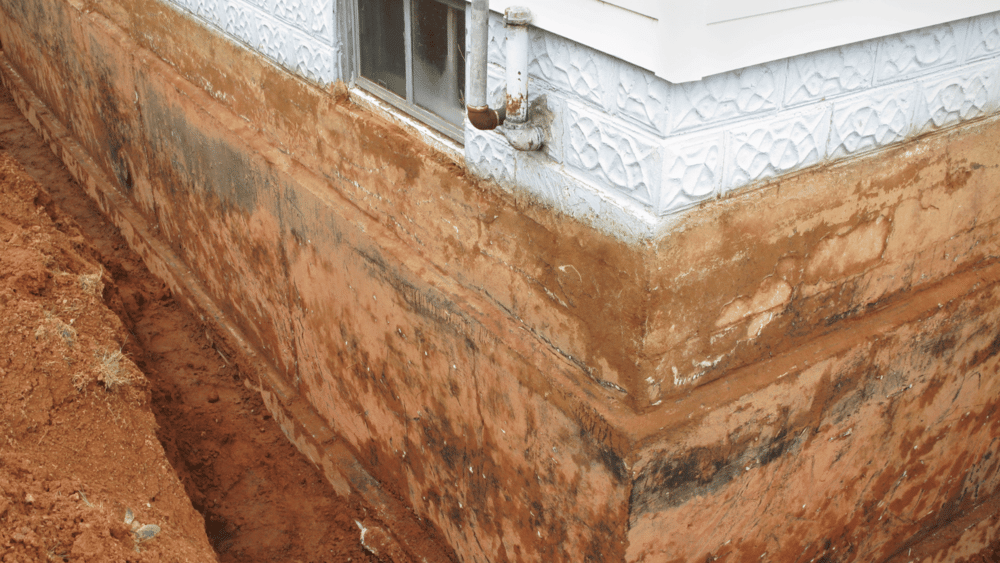
If your house in Dallas, Fort Worth, Arlington or one of the older neighborhoods around the metroplex was built before the 1960s, there is a good chance it sits on a pier and beam foundation. Maybe you noticed a sloping hallway. Maybe a door started sticking, or a spot in the living room floor feels a little soft underfoot. Maybe you are under contract on a charming older home and the inspection report recommended pier and beam foundation repair, a phrase you have never had to think about until now.
Whatever brought you here, the goal of this guide is simple: explain what a pier and beam foundation is, what goes wrong with them in North Texas specifically, how the repairs actually work, and what you can realistically expect to spend. No scare tactics, no sales pitch. Just the information you need to figure out where you stand.
What Is a Pier and Beam Foundation?
Here is the easiest way to picture it. Instead of your house sitting directly on a single slab of concrete poured on the ground, a pier and beam house sits up off the ground on a grid of supports.
Those supports are the piers. They are short columns, usually made of concrete, concrete block, brick or sometimes treated wood, spaced out across the footprint of the house. Resting on top of the piers are the beams, which are heavy horizontal pieces of lumber that run across the piers and carry the weight of the house. On top of the beams sit the joists, which are smaller parallel boards, and your floor is nailed to those.
The gap between the ground and the underside of your floor is the crawl space. It is usually somewhere between 18 inches and three feet tall. If you can get under your house, even by crawling, you almost certainly have a pier and beam foundation. If your house sits low to the ground with no access underneath, you most likely have a slab foundation instead.
You may also hear this style called a post and beam foundation. Same thing, different name.
Why So Many Older Texas Homes Have Them
Before concrete slabs became the standard in residential construction, pier and beam was simply how houses got built. Walk through older parts of Fort Worth, Oak Cliff in Dallas, or the established neighborhoods in Arlington and Irving, and you are looking at block after block of pier and beam homes built in the 1920s through the 1950s.
They were popular for practical reasons that still hold up:
- The house breathes. Raising the structure off the ground allows air to circulate underneath, which helps manage moisture.
- Everything is reachable. Plumbers and HVAC techs can get to pipes and ductwork without cutting into concrete. If you have ever priced a slab leak repair, you understand why this matters.
- They can be adjusted. This is the big one. A pier and beam foundation can be shimmed, lifted and releveled as the ground moves. A slab is far less forgiving.
That last point is genuinely relevant in North Texas, because the ground here does not sit still.
How Texas Clay Soil Affects a Pier and Beam Home
Most of the DFW metroplex sits on expansive clay soil. Expansive means exactly what it sounds like. When it rains, the clay soaks up water and swells. When we go through a stretch of 100 degree August days with no rain, the clay dries out and shrinks. That cycle repeats every year, and the ground under your house rises and falls with it.
We also tend to get this in extremes. A long dry summer followed by heavy fall rain puts the soil through a dramatic swing, and the supports under your house move along with it.
The good news for pier and beam owners is that this style of foundation was built to be adjusted. Movement is expected. The bad news is that after 60, 80 or 100 years of this cycle, things drift out of position and the wood components age. That is where repair comes in.
Drainage is closely tied to all of this. Water that pools near or under the house keeps the soil saturated in one area while another area dries out, which creates uneven movement. It also creates a damp crawl space, and damp crawl spaces are where wood rot starts. This is a common reason homeowners end up adding a French drain or a surface drain alongside foundation work.
Signs Your Pier and Beam Foundation Needs Attention
Most of these show up gradually, which is why people often live with them for years before connecting the dots.
Inside the house:
- Floors that slope, dip or feel bouncy when you walk across them. Sagging floors in Texas homes are one of the most common first signs of pier and beam trouble, and they tend to show up long before anything cracks.
- A spot in the floor that feels soft or springy, which can point to a weakened joist underneath.
- Doors and windows that stick, or that swing open on their own.
- Gaps opening between baseboards and the floor, or between crown molding and the ceiling.
- Cracks in drywall, especially at the corners of door frames.
- Squeaks and pops in the floor that were not there before.
Outside the house:
- Visible gaps or separation where the exterior siding or brick skirting meets the ground.
- Piers you can see through the crawl space vents that look cracked, leaning or crumbling.
- Water standing near the perimeter of the house after a rain.
- Porch or steps pulling away from the main structure.
In the crawl space:
- Standing water or consistently damp soil.
- Wood that is dark, soft or flaking, which indicates rot.
- Shims that have fallen out or that you can see sitting loose.
- A musty smell coming up through the floor vents.
Seeing one of these does not mean your house is in trouble. Seeing several of them together, or seeing one get noticeably worse over a season, is worth a professional look. You can read more about what to watch for on the signs of foundation issues page.
How Pier and Beam Repairs Actually Work
Repairs range from a half day of adjustment to a significant structural project. Here are the methods you are most likely to hear about, in rough order from least to most involved.
Shimming and Releveling
This is the most common and least invasive repair. A contractor uses hydraulic jacks to gently raise the low sections of the house, then inserts steel shims between the top of the pier and the beam to hold the corrected height.
Older homes were often shimmed with wood, which eventually splinters, compresses or rots. Modern quarter inch steel shims do not break down the same way. If your floors slope but the piers and wood underneath are in good shape, shimming alone may solve the problem. You can read more about how foundation shims work.
Repairing or Replacing Piers
If the piers themselves have cracked, tilted or crumbled, shimming will not hold. Those piers get rebuilt or replaced. In some cases a contractor will add new block and base supports in spots where the original spacing left the beams unsupported over too long a span, which is common in homes that have been added onto over the years.
Replacing Beams and Joists
Wood rot and termite damage are the usual culprits here, and both trace back to crawl space moisture. Damaged sections of beam or joist get cut out and replaced with properly sized, treated lumber. Crawl space repair in Dallas and the neighboring cities often begins right here, because a damp North Texas crawl space quietly weakens the wood for years before anyone notices a soft spot in the floor above. This work is labor intensive because all of it happens in a cramped, dark space, which is a major driver of cost.
Installing Foundation Piers
When the soil itself will not hold, the fix is to go deeper. Pressed concrete piers or steel piers are driven down past the active clay layer to stable soil below, then used to support the structure. This is the same underpinning approach used on slab homes, and it is what stops recurring settlement rather than just correcting it once.
Drainage Correction
Not a foundation repair on its own, but frequently part of the solution. If water keeps collecting under or beside the house, correcting the drainage protects the work that was just done.
What Pier and Beam Repair Costs in DFW
Pier and beam repair cost in DFW varies widely, because the scope varies widely. Published ranges for this region generally look like this:
- Reshimming and minor releveling: roughly $1,000 to $7,000
- Adding or repairing piers: roughly $4,000 to $6,000
- Beam replacement: roughly $10,000 to $20,000
- Adding support jacks: roughly $5,000 to $15,000
- Full underpinning of existing piers: $30,000 and up
Treat those as ballparks, not quotes. Four things move the number most: the size of your home, how far the structure has moved, how much rotten wood has to come out, and how easy it is to physically get into your crawl space. A house with 30 inches of clearance and a clear access hatch costs less to work on than one with 16 inches and shrubs planted over the opening.
For a fuller breakdown, see the detailed pier and beam foundation repair cost page. If the number turns out to be larger than you were expecting, financing options are available.
One more thing worth asking about before you sign anything: what happens afterward. Reputable work in this area comes with a lifetime transferable warranty, and transferable matters, because it carries over to the next owner when you sell.
Should You Be Worried?
Usually, no. Pier and beam foundations were designed with adjustment in mind, and most issues in North Texas homes are correctable with straightforward work. A house that has settled an inch over 70 years is not a house in crisis.
What is worth avoiding is waiting years while a small problem grows. A single joist with early rot is a manageable repair. That same joist left in a wet crawl space for five more years takes its neighbors down with it.
Getting a Straight Answer About Your Home
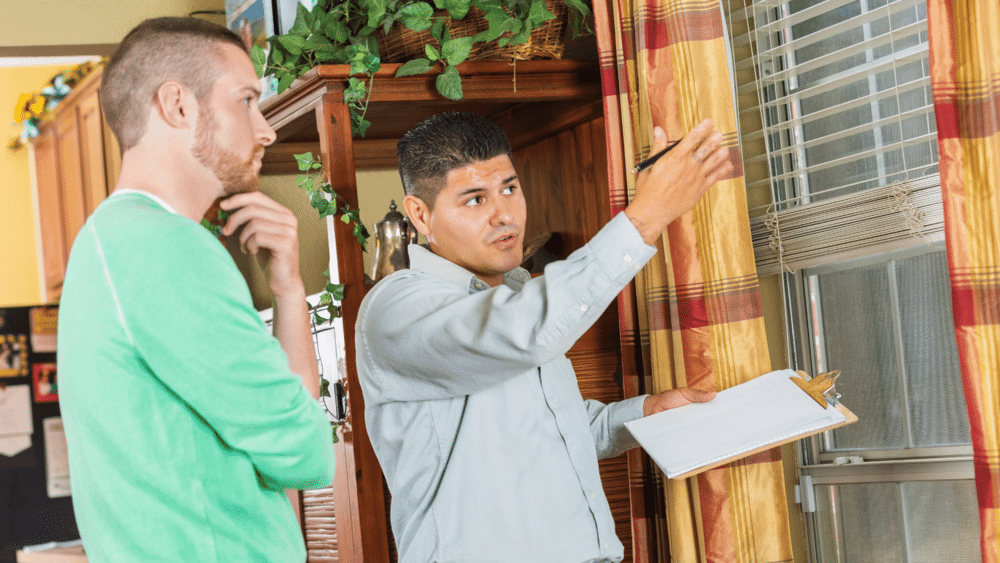
The only way to know what your foundation actually needs is to have someone get under the house and look. A good evaluation should tell you what is happening, what is causing it, and what your options are, including the option of doing nothing for now if that is the honest answer.
If you are noticing sloping floors, sticking doors or moisture in your crawl space, schedule a free estimate with HD Foundations. We evaluate pier and beam homes throughout the DFW metroplex, including Arlington, Fort Worth, Dallas, Irving, Plano, Frisco and Mansfield. The inspection takes under an hour, it costs nothing, and you will walk away knowing exactly where your home stands.
Call 817-226-7221 or request an evaluation online.