
Your driveway deals with weather, traffic, and everyday wear. Cracks, potholes, and crumbling edges aren’t just ugly—they can damage your car and chip away at your home’s value. Most driveway problems can be fixed with the proper repair methods, saving you a ton compared to ripping it all out and starting over.
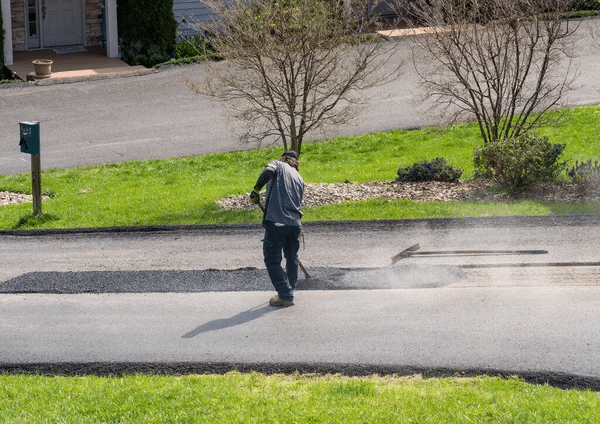
The upside? You usually don’t have to replace the whole driveway when you spot trouble. Filling small asphalt cracks costs about 10 to 15 cents per foot, and patching concrete costs $3 to $5 per square foot. Jump on repairs early, and you can dodge bigger headaches down the road.
Whether you’ve got asphalt or concrete, this guide digs into the most effective repair strategies for your situation. You’ll get a sense of which fixes you can tackle yourself and when it’s time to call in professional driveway contractors. There’s also some practical maintenance advice to help your driveway last and keep your investment protected.
Understanding Driveway Repair Essentials
Weather, car traffic, and shifting ground constantly put your driveway to the test. Spotting damage early and knowing your repair options helps you make better choices about fixing or replacing your pavement.
Common Causes of Driveway Damage
Water sneaking into cracks is the big enemy. Once it freezes, it expands, worsening the problem. This freeze-thaw cycle repeats all winter long.
Heavy vehicles—think delivery trucks, RVs, or construction gear—can stress driveways beyond what they were built for, leading to cracks or sunken spots.
Tree roots growing underneath can push up and make the surface uneven. Big trees planted too close to the driveway are usually the culprits.
Poor installation is another issue. If the base wasn’t prepped right or the drainage is off, weak spots show up fast and break down sooner than you’d expect.
Chemicals like oil, gasoline, or de-icing salt seep in and weaken the surface from the inside out.
Sometimes, the ground settles under the driveway, causing sections to sink or crack. Soil movement is tricky and can sneak up on you.
Signs Your Driveway Needs Repair
Cracks wider than ¼ inch usually indicate serious structural issues that require prompt attention. Tiny hairline cracks? Keep an eye on them, but they’re generally just cosmetic at first.
Lots of little cracks forming a web—“alligator cracking”—is a bad sign. It usually means the foundation under that part of the driveway has given up.
If water pools up after rain, you’ve probably got drainage problems or a low spot. Standing water just speeds up damage, especially when it freezes.
Crumbling edges show the driveway’s support is fading. This damage tends to creep inward if ignored.
Deep-seated oil stains will leave permanent marks. Fresh stains can sometimes be cleaned up, but old ones might need a pro to fix.
Potholes happen when water washes away the stuff beneath the surface. They get worse fast and can mess up your car if you let them go.
Repair Versus Replacement Considerations
Repair is usually the way to go if less than a quarter of your driveway is damaged. Isolated cracks, small rough spots, and edge problems can be fixed without too much hassle.
But age matters. If your driveway is over 20 years old and has a bunch of issues, full replacement might be smarter than pouring money into patch after patch.
Think about long-term costs, too. Big repairs on a driveway that’s falling apart often don’t last, so replacement could save you money in the end.
If you see cracks everywhere, sunken sections, or major drainage problems, replacement is probably the only real fix. That’s usually a sign the foundation is shot.
Material matters as well. Asphalt that’s unraveling all over or concrete that’s flaking and spalling everywhere usually needs more than just a patch.
Your budget and timeline play a role. Major repairs can buy you another 5-10 years, but a full replacement—done right—can last two or three decades with good care.
Asphalt Driveway Repair Methods
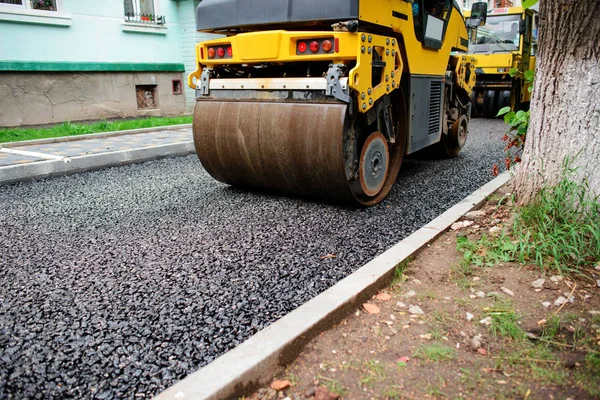
Fixing asphalt starts with checking out the damage and picking the right approach for cracks or potholes. What works best depends on how bad things are and what’s causing the trouble.
Assessing Asphalt Damage
Check your driveway on a dry day when you can see everything clearly. Walk around and look for cracks, holes, and dips.
Small cracks look like thin lines under 1/4 inch wide. Usually, these are caused by normal settling or temperature swings.
Big cracks—over 1/2 inch—might mean deeper problems. Water or heavy vehicles are often to blame.
Potholes are bowl-shaped holes that form when water seeps in and weakens the base beneath.
Watch for:
- Alligator cracking—cracks forming a pattern
- Edge cracking—damage along the borders
- Rutting—sunken wheel paths
- Raveling—loose gravel or a rough surface
If you step on a spot and it feels soft or spongy, that’s a warning sign.
Crack Filling Techniques for Asphalt
Clean out cracks with a wire brush or compressed air. Remove weeds, dirt, and loose pieces before applying any crack filler.
Cold pour crack filler is suitable for cracks under 1/2 inch. Just squeeze it in straight from the bottle. It stays flexible as temperatures change.
Hot pour sealant is better for bigger cracks and lasts longer, but you need to heat it up first. Sometimes, only pros have the gear for this.
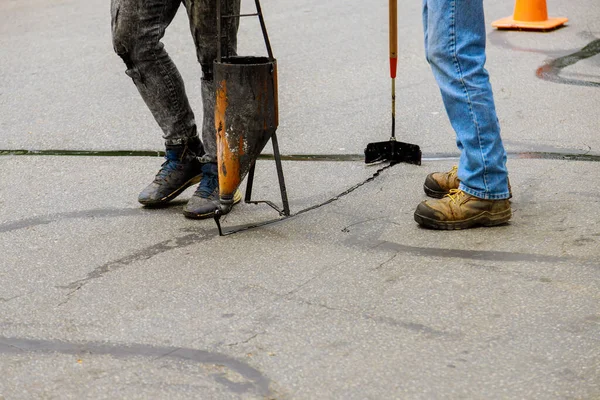
Put in a little extra filler so it sits just above the surface. It’ll settle as it dries.
Steps:
- Clean the crack
- Prime it if needed
- Fill it up
- Smooth with a putty knife
- Let it cure for a day
Don’t try to fill cracks if it’s wet or colder than 50°F. The filler won’t stick or set right.
Pothole Repairs and Prevention
Clear out all loose stuff from the pothole first. Cut the edges straight up and down if you can—it helps the patch hold.
Cold patch asphalt is a quick, temporary fix for small holes. Dump it in and tamp it down tight.
Hot mix asphalt is the permanent solution, but you’ll probably need a pro for that. It bonds better and lasts way longer.
Compact the patched area well. It’s better to build up in thin layers than dump everything in at once.
To prevent future problems:
- Fix cracks right away
- Make sure water drains off your driveway
- Sealcoat every 2-3 years
- Don’t park heavy vehicles in the same spot over and over
Check your driveway regularly. Catching small problems early saves money and keeps the surface in good shape longer.
Concrete Driveway Repair Strategies
Concrete repair means figuring out what kind of damage you have, picking the right filler, and keeping the surface clean and free of stains or gunk.
Identifying Types of Concrete Driveway Issues
Check out your driveway before you start any repairs. Tiny hairline cracks under 1/8 inch are common and easy to fix. Bigger cracks—over 1/2 inch—usually mean trouble.
Surface Issues:
- Spalling (flaking concrete)
- Pitting from freeze-thaw cycles
- Stains from oil or rust
- Scaling from de-icing salt
Structural Problems:
- Cracks from settling
- Heaving caused by tree roots
- Joints pulling apart
- Crumbling edges
See if cracks get bigger or move with temperature swings. If they do, use flexible sealers. For cracks that don’t move, rigid patching works.
Look underneath for water damage. If you see standing water or soft soil, fix the drainage first. Concrete driveway deterioration is usually caused by weather and moisture.
Major problems like sunken slabs or cracks over an inch wide? Time to call a pro. These often mean foundation issues that DIY just can’t handle.
Using Concrete Crack Fillers Effectively
Pick your filler based on the crack. Polyurethane sealers are best for moving cracks. Vinyl patching is suitable for stable, small ones.
Prep Steps:
- Clear out all loose stuff
- Remove weeds and dirt
- Widen tight cracks to 1/4 inch
- Shape into an inverted V if possible
Use a wire brush and vacuum to get the crack walls really clean. Dirt will mess with the bond. For deep cracks, toss in a foam backer rod first.
Application: Put the filler in just above the surface, then smooth it right away with a putty knife. Keep the area a little damp while it cures so it doesn’t dry too fast.
Concrete crack repair works best between 50 and 80°F.
Let everything cure as long as the label says. Usually, that’s a day or two for foot traffic and up to a week before you drive on it.
Surface Cleaning and Stain Removal
Keeping your concrete driveway clean goes a long way in preventing stubborn stains and boosting its lifespan. For everyday upkeep, just use some mild soap and water—nothing fancy needed.
Oil Stain Treatment: If you catch an oil spill early, toss some cat litter on it to soak it up. For older stains, grab a degreasing concrete cleaner and scrub with a stiff brush. Let the cleaner do its thing for about 15-20 minutes, then rinse it away.
Rust Stain Removal: Mix up an oxalic acid-based rust remover according to the instructions. Only use it where you see rust, and rinse thoroughly when done. Definitely wear gloves and eye protection—acid cleaners aren’t something to mess around with.
General Cleaning Steps:
- Sweep up loose debris
- Apply your concrete cleaner
- Scrub with a push broom or brush
- Rinse with a garden hose or pressure washer
For stubborn grime, a power washer works wonders. Just keep the nozzle about a foot from the surface to avoid etching the concrete. Wide spray patterns are safer—skip the pinpoint jet.
Once it’s clean, consider applying a concrete sealer. Sealers help block future stains and keep water from soaking in, which is especially important if you live somewhere with harsh winters.
Driveway Sealing and Maintenance
Proper sealing protects your driveway from weather damage and can stretch its life out for decades. The right products and a little know-how make all the difference between a job well done and wasted time.

Benefits of Driveway Sealing
Sealing your driveway shields the surface from UV rays, which slowly turn asphalt brittle and prone to cracking. Water sneaking in during freeze-thaw cycles is another big problem.
A good seal keeps moisture from getting down to the sub-base, helping you avoid those expensive repairs nobody wants.
Honestly, a well-sealed driveway just looks better. Sealing protects against sun, rain, and freeze-thaw cycles—otherwise, you might be stuck with some hefty repair bills.
Sealed driveways stand up better to oil stains and chemical spills, too. Cleanup is less of a headache, and your driveway keeps that “freshly done” look a lot longer.
Regular sealing usually runs $2-5 per square foot. Skip it, and you could be staring at repairs costing over $10 per square foot—ouch.
Choosing the Right Sealant Products
Acrylic sealers are a solid pick if you want to boost your driveway’s appearance. They’re water-based, dry quickly, and don’t stink up the whole block.
Acrylics stay flexible when the weather changes, but you’ll want to reapply every year or two for best results.
Coal tar sealers are tougher and hold up well against chemicals and UV rays. They leave a thick, black finish that stands up to tire marks and daily use.
Coal tar lasts longer—maybe 2-4 years—but it’s got a stronger odor and takes its sweet time to dry compared to acrylics.
Concrete sealers are a different animal. Never use asphalt sealant on concrete—it just won’t stick right.
Match your sealer to your driveway material. It’s worth the extra minute to check the label.
Sealant Application Best Practices
Give your driveway a thorough cleaning before sealing. Dirt, oil, weeds, whatever—get rid of it all.
Cracks wider than a quarter inch? Fill them with crack filler and let it cure before you start sealing.
Weather matters:
- Air temp: 50-85°F
- No rain in the forecast for at least a day
- Lower humidity is better
- Try to avoid windy days
Apply the sealer in thin, even coats using a squeegee or brush. Starting at the highest spot and working down helps avoid puddles.
Two thin coats beat one thick one every time. Wait for the first coat to dry before adding the second.
Keep cars off the driveway for at least 24 hours—48 is even safer. Full curing can take up to three days, depending on the weather.
Reseal every 2-3 years to keep your driveway in top shape.
Frequently Asked Questions
People always have questions—about signs of repair needs, which materials work for their climate, or how long these projects actually take. Knowing whether you need resurfacing or a full replacement is a big deal, too.
What are the signs that my driveway needs repair?
Small cracks under a quarter-inch wide? That’s early damage—patch them up before water gets in and makes things worse. Quick patches can save you a lot of trouble down the line.
Walk your driveway and check for soft spots or bouncy areas. If it feels solid, your foundation’s probably still good.
Potholes or cracks wider than a quarter inch need fast attention. Oil stains, chips, and spider web cracks are also warning signs—time to call in a pro if you spot those. Professional help is worth it for bigger issues.
If more than a quarter of your driveway is damaged, resurfacing might make more sense than patching each spot.
What materials are best suited for driveway repairs in different climates?
Asphalt is great for colder places since it flexes with the weather. It’s cheaper up front, but you’ll need to reseal it every couple of years.
Concrete handles heat better and lasts longer in warm climates. For concrete, sealing every three to five years is usually enough.
Cold climates need materials that can handle freeze-thaw cycles. Hot areas need something that won’t soften or split in the sun.
Gravel works anywhere, but you’ll be out there now and then replacing stones after heavy rain.
What is the difference between resurfacing and full replacement of a driveway?
Resurfacing means scraping off damaged areas and pouring new material over what’s already there. It usually costs $3 to $7 per square foot and works well if over a quarter of your driveway is in rough shape.
Full replacement is a bigger job—tearing out the old driveway and starting fresh. That’ll run $7 to $14 per square foot but should last 15-20 years with good care.
Resurfacing gives you 5-10 years and a refreshed look. But if you’ve got big potholes or serious structural issues, replacement is really the only way to go.
Both jobs are best left to professionals. They’ve got the gear and know-how most of us just don’t have lying around.
How long does it typically take to complete a driveway repair project?
Simple patching usually takes about a day, and once the material dries, you can park on it. Fixing a few small cracks? That’s often done in just a few hours.
Resurfacing is a bigger job—plan for two to three days, counting prep and curing. You’ll need to keep cars off the new surface for at least a day, maybe two.
Replacing the whole driveway is a different beast. It might take anywhere from three to five days, depending on how big or complicated things get. And, honestly, if the weather doesn’t cooperate, you could be looking at even more time.
Professional contractors can assess damage and give you a better idea of what to expect for your driveway. It’s worth asking about the timeline before they start swinging hammers.