
There is a persistent mental image of tree roots as something like a crowbar, slowly prying a house apart from below. It makes for a vivid picture, and as an explanation of tree roots foundation damage in North Texas, it is mostly wrong.
Tree roots do cause foundation problems here. They just do it a different way than most people assume, and understanding the actual mechanism changes what you should do about it. Sometimes the right answer is a root barrier. Sometimes it is simply watering the tree. And sometimes, counterintuitively, the worst thing you can do is cut the tree down.
This guide covers how roots really affect foundations in DFW, which species carry the most risk, how to evaluate a large tree you already have, and what your options are.
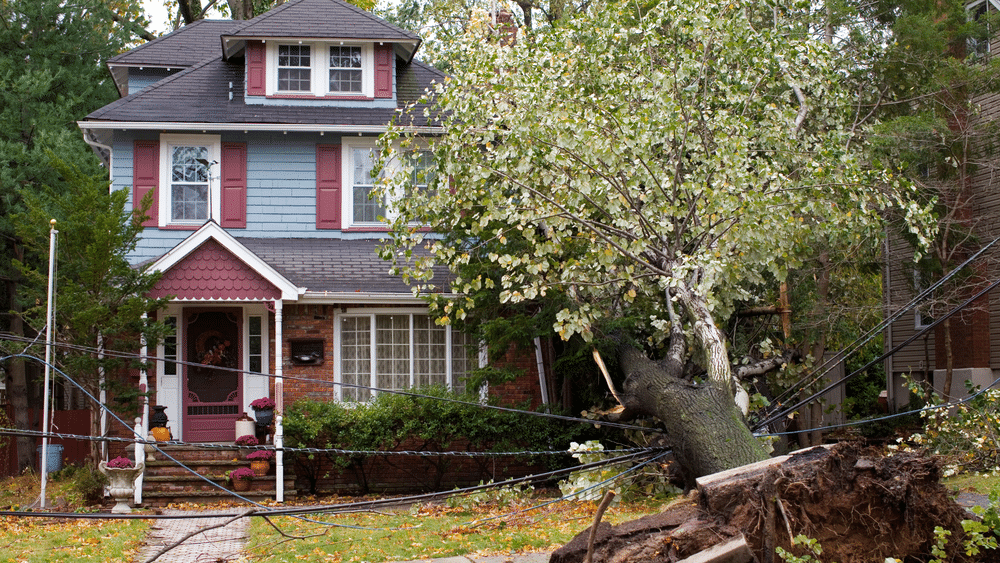
How Roots Actually Cause Damage
Roots rarely crack a foundation by pushing on it. Concrete is stronger than wood, and a growing root meeting a slab typically turns and grows along it rather than through it.
The real mechanism is water.
Trees drink, and large ones drink enormously. A single mature tree can pull well over a hundred gallons of water out of the soil on a hot day through a process called transpiration, which just means moving water from soil to leaves to air. The roots doing that drinking spread far wider than the branches overhead, often two or three times the height of the tree.
Now add North Texas clay. Our soil shrinks when it dries and swells when it is wet. A big tree near your house creates a zone of persistently drier soil on that side, especially through an August with no rain. That section of ground shrinks more than the rest, and the foundation above it loses support unevenly.
Uneven is the key word. A house that settles uniformly usually shows very little damage. A house where one corner drops while the rest holds steady is where cracks, sticking doors and sloping floors come from. That is why trees too close to a foundation cause trouble while the same species across the yard causes none.
There is a smaller secondary effect worth mentioning: roots growing directly beneath a slab can displace soil and create voids. That happens, but the moisture story accounts for most tree-related foundation problems in the metroplex.
How This Plays Out on Slab vs Pier and Beam
On a slab foundation. The typical pattern is localized settlement on the tree side of the house. You may see stair steps cracking in brick near that corner, doors sticking in rooms on that side, and a visible gap where soil has pulled away from the concrete. Damage tends to concentrate rather than spread evenly. Our page on slab foundation repair covers how this is corrected.
On a pier and beam foundation. Roots dry the soil under individual piers, which then settle at different rates than their neighbors. The result shows up as sloping or dipping floors above that section. Roots can also grow into the crawl space itself, disturb pier footings, and interfere with drainage under the house. The flip side is that pier and beam foundations can be shimmed and releveled relatively easily once the moisture issue is addressed.
Which Trees Carry the Most Risk in DFW
Risk comes down to three things: how much water a species demands, how aggressively it roots, and how large it gets at maturity.
Higher risk near a house in North Texas:
- Silver maple
- Willow, including weeping willow
- Cottonwood and poplar
- American elm and Siberian elm
- Sweetgum
- Hackberry
- Sycamore
These are thirsty, fast-growing species with wide root systems. Willows and cottonwoods in particular actively seek moisture and will travel a long way to find it.
Moderate risk, common in DFW yards:
- Live oak
- Red oak
- Pecan
These get very large and use plenty of water, but they grow more slowly and root less aggressively than the group above. Most established DFW homes have one, and most of those homes are fine. Distance and watering matter more than the species name here.
Lower risk, and generally the best trees to plant near a house in Texas:
- Crape myrtle
- Redbud
- Texas mountain laurel
- Yaupon holly
- Desert willow
- Mexican plum
- Vitex
These stay smaller, tolerate our heat, and have modest root systems. There is more on species selection in our guide to picking a tree that will not damage your foundation.
If You Are Planting: The Distance Rule
The simplest guideline: plant a tree at least as far from your house as its expected mature height.
A crape myrtle topping out at 20 feet can sit 20 feet from the house. A live oak that will reach 50 feet should be 50 feet away, or as close to that as your lot allows. For the thirstier species on the higher risk list, add extra room.
Two other things worth doing at planting time:
- Ask the nursery about the mature spread and root habit, not just the height. Some modest-looking trees have expansive root systems.
- Think about which side of the house you are planting on. South and west facing walls already dry out fastest in Texas. Adding a water-hungry tree on those sides compounds the problem.
If You Already Have a Big Tree: How to Assess the Risk
Most people reading this are not planning a new tree. They are looking at a 40 year old oak 15 feet from the living room and wondering whether it is a problem.
Work through these questions.
How close is it, relative to its size? Compare the distance to the tree’s mature height. A 40 foot tree 12 feet from the house is worth paying attention to. The same tree 45 feet away is unlikely to be the cause of anything.
Which species is it? Check it against the lists above. A hackberry and a red oak at the same distance are different situations.
Is there actual evidence of movement, and is it on the tree side? This is the most important question. Walk the house and look for cracks, sticking doors, sloping floors and soil separation. If the signs cluster on the same side as the tree, the tree is a reasonable suspect. If the house shows nothing, or the signs are on the opposite side, the tree probably is not your issue. Our guide to the signs your foundation needs repair covers what to look for.
Does the soil on that side dry out faster? In late summer, check the gap between soil and foundation on each side of the house. A noticeably wider gap on the tree side tells you the roots are winning the competition for moisture.
Has anything changed recently? Trees that have been there for decades without incident are usually in equilibrium with the site. A problem that started in the last two years more often traces to drainage, a plumbing leak, or an unusually severe drought than to a tree that has been standing since 1985.
What You Can Actually Do
Options run from simple to significant.
Water the tree, not just the lawn
The cheapest and most overlooked fix. If a tree is drawing moisture from under your foundation, give it another source. Water the tree deeply at its drip line, the area under the outer edge of the canopy, during dry stretches. A satisfied tree competes less aggressively for the water under your house.
Water your foundation consistently
Maintaining even soil moisture around the perimeter counters the drying effect on the tree side. A soaker hose 12 to 18 inches out, run on a consistent schedule, prevents the sharp wet-to-dry swings that cause movement. Pay extra attention to the tree side. Our seasonal foundation watering guide has the full schedule.
Install a root barrier
A root barrier is a solid panel of plastic, metal or fabric buried vertically in a trench between the tree and the house, typically three to five feet deep. It redirects roots downward and away rather than letting them run horizontally toward your foundation.
This is the standard solution for a mature tree that is too close to move and too valuable to lose. Root barrier installation in DFW is common enough that most foundation and tree companies here handle it routinely, and it preserves the tree while protecting the house. Our glossary of foundation repair terms has a plain definition if you run across the term elsewhere.
Root pruning
An arborist can selectively cut roots heading toward the foundation. This buys time but is not permanent, since roots regrow. It also has to be done carefully, because removing too much root mass destabilizes the tree. Pair it with a barrier rather than relying on it alone.
Before You Remove a Tree, Read This
Cutting down the tree feels like the decisive solution. In North Texas it can backfire.
When a large tree is removed, it stops drawing hundreds of gallons a day out of the soil. That soil, which has been kept dry for years, begins rehydrating and expanding. The ground that has settled under your foundation can then swell back upward, which is called heave. Tree removal and foundation heave are linked closely enough that upward movement can crack a slab just as readily as downward settlement, and in some cases the damage after removal exceeds anything the tree was causing.
This does not mean never remove a tree. It means the decision deserves a conversation first, especially for a large mature tree within about 20 feet of the house. Removing it gradually, watering the area to manage the rebound, or installing a barrier instead may serve you better. There is more on managing trees and plantings in our post on protecting your foundation with landscaping.
The Reassuring Part
Plenty of DFW homes have had large trees near the foundation for fifty years with no structural problems at all. Trees are not the enemy. They shade the roof, lower cooling costs, and in some cases stabilize soil.
What causes trouble is the combination of a thirsty tree, close proximity, clay soil, a hot dry summer, and no consistent watering to offset it. Remove any one of those factors and the risk drops considerably. The most common missing piece is the last one, and it is the easiest to fix.
Not Sure Whether Your Tree Is the Problem?
If you have a large tree near the house and you are seeing signs you cannot explain, it is worth having someone look at the house rather than guessing. Schedule a free estimate with HD Foundations. We will tell you what we see, including whether the tree is a factor or something else is going on. Our evaluations take under an hour and cost nothing.
If work turns out to be needed, it carries a lifetime transferable warranty that passes to the next owner.