
If you’ve been shopping for a home, reading building plans, or researching foundation types, you’ve likely come across the term slab on grade. It sounds technical, but the concept is straightforward — and understanding it matters, especially if you own or are considering buying a home in North Texas.
This guide explains exactly what a slab on grade foundation is, how it’s constructed, where it performs well, where it struggles, and what homeowners with this foundation type need to watch for over time.
What Is a Slab on Grade Foundation?
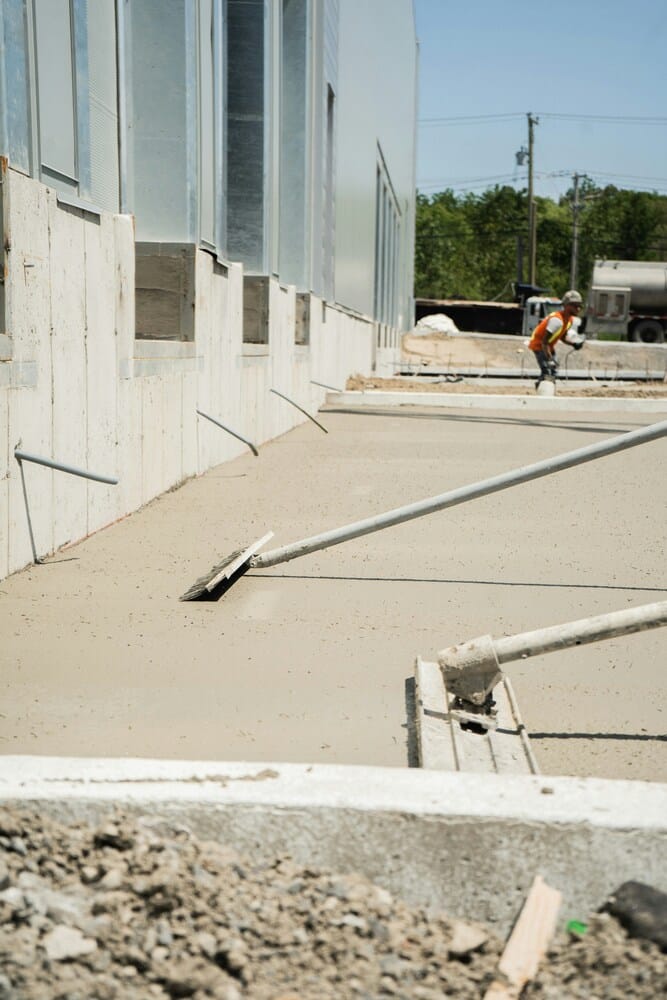
A slab on grade foundation is a single layer of concrete poured directly on prepared ground — at grade level, meaning at or just above the surrounding soil surface. The concrete slab serves two purposes simultaneously: it is both the foundation and the floor of the structure built on top of it.
Unlike a basement foundation, there is no below-grade living space. Unlike a pier and beam foundation, there is no crawl space beneath the structure. The home sits directly on the concrete.
The term “on grade” simply means at ground level. So “slab on grade” means exactly what it sounds like: a concrete slab poured at ground level.
How Is a Slab on Grade Foundation Built?
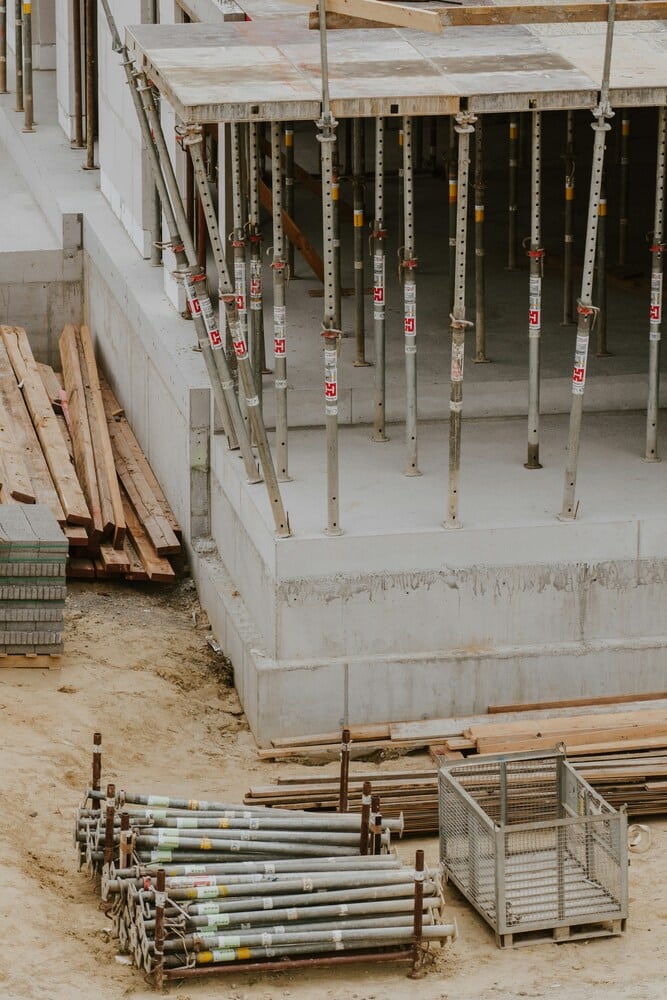
While the end result looks simple — a flat concrete pad — the construction process involves several deliberate steps that determine how well the slab performs over its lifetime.
1. Site Preparation
The ground is cleared, graded, and compacted. Proper grading ensures water drains away from the structure rather than pooling beneath or against it — a critical factor for long-term foundation health.
2. Subbase Installation
A layer of gravel or crushed rock (typically 4–6 inches) is spread over the compacted soil. This subbase serves as a drainage layer, helping water move away from beneath the slab rather than sitting under it.
3. Vapor Barrier
A plastic sheeting vapor barrier is laid over the subbase to prevent ground moisture from migrating up through the concrete. In climates with significant moisture variation — like North Texas — this layer plays an important role in preventing moisture-related damage.
4. Reinforcement
Steel reinforcement is placed before the pour. This typically includes:
- Rebar (reinforcing bar) — steel bars laid in a grid pattern to give the slab tensile strength
- Wire mesh — sometimes used instead of or alongside rebar for thinner slabs
- Post-tensioned cables — steel cables that are tensioned after the concrete cures, common in Texas due to the expansive clay soil conditions
Post-tensioned slabs are particularly common in DFW because the pretensioned steel helps the slab resist the forces that expansive clay exerts as it expands and contracts with moisture changes.
5. Concrete Pour
Concrete is poured in a single continuous operation when possible, filling the forms and encasing the reinforcement. The slab is then leveled, finished, and left to cure.
6. Thickened Edges
Most residential slab on grade foundations include thickened edges — the perimeter of the slab is poured deeper than the interior (often 12–24 inches) to create an integrated footing. This is known as a monolithic slab — the footing and slab are one continuous pour.
Some designs use a separate footing poured first with the slab added later; this is called a stem wall or floating slab configuration. Both are common depending on local building codes and soil conditions.
Slab on Grade vs. Other Foundation Types
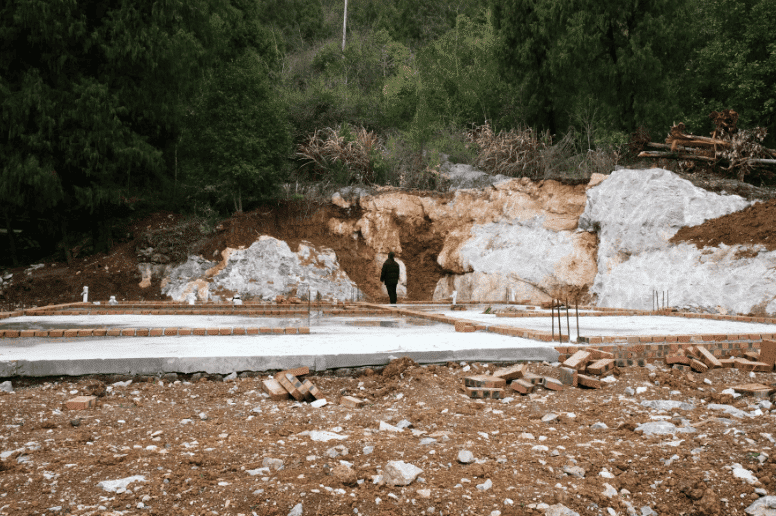
Understanding what makes slab on grade distinct is easier when you compare it to the alternatives.
Slab on Grade vs. Pier and Beam
A pier and beam foundation elevates the structure above grade on a network of piers and wooden beams, creating a crawl space beneath the home. This gives easy access to plumbing and electrical systems running beneath the floor, but introduces its own vulnerabilities — moisture in the crawl space, wood rot, and pier settlement.
Slab on grade has no crawl space, making plumbing and electrical access more difficult but eliminating the moisture and pest issues that crawl spaces can harbor.
Slab on Grade vs. Basement Foundation
A basement foundation extends below grade, providing additional living or storage space beneath the home. Basements are rare in North Texas — the expansive clay soil and high water table in many areas make below-grade construction impractical. Slab on grade is far more common here.
Where Slab on Grade Foundations Are Most Common

Slab on grade is the dominant foundation type across the Sun Belt — Texas, Florida, Arizona, and the broader Southeast and Southwest. The reasons are largely climatic and geological:
- Mild winters mean deep frost penetration (which can heave foundations) isn’t a concern
- In many areas, the water table is too high for basements
- Construction is faster and less expensive than basement or pier and beam alternatives
- In Texas specifically, building codes and soil conditions have pushed toward post-tensioned slab on grade as the standard residential foundation
In the Dallas–Fort Worth area, the vast majority of homes built since the 1960s sit on slab on grade foundations. If you own a relatively modern home in DFW, there’s a high probability yours is a slab.
Advantages of Slab on Grade Foundations
Lower initial construction cost. Slab on grade is generally less expensive to build than a basement or even a well-constructed pier and beam foundation. Less labor, fewer materials, faster completion.
No crawl space vulnerabilities. Without a crawl space, there’s no environment for moisture accumulation, mold, wood rot, or pest infestations beneath the floor.
Energy efficiency. The thermal mass of a concrete slab can help moderate indoor temperatures, reducing heating and cooling loads in mild climates.
Structural simplicity. With fewer components than pier and beam, there are fewer potential failure points — no beams to rot, no piers to shift individually.
Compatibility with radiant heat. Slab on grade foundations work naturally with in-floor radiant heating systems, which run tubing through the concrete.
Disadvantages of Slab on Grade Foundations
Vulnerable to soil movement. This is the most significant limitation in North Texas. Expansive clay soil shifts constantly with moisture changes — expanding when wet, contracting when dry. Over time, this movement stresses the slab and can cause cracking, settling, and upheaval. Managing soil moisture around your foundation is an ongoing maintenance responsibility. Learn more about whether watering your foundation actually helps.
Plumbing runs through or under the slab. Water supply and drain lines for a slab-on-grade home typically run beneath or through the concrete. When these pipes leak or fail, accessing them requires cutting into the slab — a more disruptive and expensive repair than accessing pipes in a crawl space.
No storage or utility space below grade. Unlike a basement, there’s no below-grade space for storage, mechanical equipment, or additional living area.
Difficult to modify. Changing floor plans, adding drains, or relocating plumbing in a slab home requires cutting concrete — possible, but expensive and disruptive.
Susceptibility to flooding. Because the floor sits at or just above grade, slab homes can be more vulnerable to water intrusion during significant flood events than elevated structures.
Common Foundation Problems in Slab on Grade Homes
Knowing what can go wrong helps you catch problems early — before they become expensive. The most common signs of foundation problems in slab homes include:
Cracks in the slab. Hairline cracks from curing are normal. Wider cracks (particularly those wider than 1/4 inch), diagonal cracks, or cracks that are growing are worth having evaluated.
Cracks in interior walls and ceilings. Diagonal cracks running from the corners of door and window frames are a classic indicator that the slab beneath is moving unevenly.
Sticking doors and windows. When a slab shifts, door and window frames can rack slightly — enough that doors no longer swing freely or windows won’t open smoothly.
Uneven or sloping floors. A floor that used to feel level but now has a noticeable slope in one area suggests the slab beneath has settled or heaved in that zone.
Gaps between walls and ceiling or floor. Separation between trim, baseboards, or crown molding and the surfaces they meet can indicate movement in the structure.
Plumbing issues. Unexplained increases in water bills, soft spots in the yard, or wet areas under flooring can indicate a slab leak — a pipe failure beneath the concrete that, if left unaddressed, can significantly worsen foundation problems.
Slab on Grade Maintenance: What Homeowners Should Do
Owning a slab on grade home in North Texas comes with a set of ongoing maintenance responsibilities that directly affect how long your foundation performs well.
Maintain consistent soil moisture. The single biggest threat to slab foundations in DFW is the shrink-swell cycle of expansive clay. During dry summers, the soil pulls away from the foundation perimeter, removing support. A consistent watering routine around the perimeter during dry periods helps keep moisture levels stable.
Ensure proper drainage. Water should flow away from your foundation, not toward it. Check that gutters are clean and downspouts discharge water at least 4–6 feet from the foundation. Make sure the soil grades away from the house on all sides.
Don’t plant large trees close to the foundation. Tree roots seek moisture — and in DFW, that often means growing toward the foundation. Large trees planted close to the house can disrupt soil moisture uniformly and, in some cases, physically encroach on the foundation.
Address plumbing leaks promptly. A leaking pipe beneath a slab is both a plumbing problem and a potential foundation problem. Water erodes soil, creates voids, and causes uneven settlement. Don’t ignore the signs.
Have cracks evaluated, not just patched. Surface crack patching hides the symptom but doesn’t address the cause. If you’re seeing new or growing cracks, a professional foundation evaluation will tell you whether you’re dealing with cosmetic settling or something that needs structural attention.
When Does a Slab on Grade Foundation Need Repair?
Not every crack or cosmetic blemish requires intervention. Some minor cracking is a normal part of a concrete slab’s life. The threshold for repair is reached when:
- Cracks are wider than 1/4 inch or visibly growing over time
- The slab has shifted enough to cause noticeable floor slopes or door/window problems
- Multiple signs appear together — cracks plus sticking doors plus gaps at trim
- A plumbing leak has caused voids beneath the slab
When repair is needed, the foundation repair process for a slab typically involves installing concrete or steel piers beneath the foundation to stabilize and lift the affected areas. The cost of slab foundation repair depends on the number of piers required and the extent of the damage — another reason early detection matters.
The Bottom Line
Slab on grade is the most common foundation type in North Texas — practical, cost-effective, and well-suited to the region’s climate when properly built and maintained. Its main vulnerability is the expansive clay soil that makes up so much of the DFW subsurface, which creates ongoing stress on concrete as moisture levels change through the seasons.
Understanding how your slab works, what to watch for, and how to maintain the soil conditions around it puts you in a far better position to protect one of your home’s most important structural elements.
If you’re seeing any of the warning signs described above — or just want a baseline evaluation of your foundation’s condition — HD Foundations provides free, no-obligation inspections throughout the DFW metroplex. Schedule your free estimate and get answers from a team that’s been working with North Texas foundations for over 17 years.
Frequently Asked Questions
What does “slab on grade” mean?
Slab on grade means a concrete foundation poured directly at ground level — “on grade” means at the level of the surrounding soil. The slab serves as both the foundation and the floor of the structure.
Is slab on grade the same as a concrete slab foundation?
Yes, in most residential contexts these terms refer to the same thing — a flat concrete pad poured at ground level that the home sits on directly.
What is the difference between a monolithic slab and a slab on grade?
A monolithic slab is a type of slab on grade where the footing (the thickened perimeter edge) and the interior floor slab are poured in a single continuous pour. It’s the most common residential slab on grade construction method in Texas.
How long does a slab on grade foundation last?
A well-built slab on grade foundation can last 50 years or more with proper maintenance. In North Texas’s clay soil environment, the lifespan depends significantly on how consistently soil moisture is managed and how promptly any drainage or plumbing issues are addressed.
Is a slab on grade foundation good or bad?
It’s neither inherently good nor bad — it’s a tradeoff. Slab on grade is cost-effective, low-maintenance in many respects, and well-suited to Texas’s climate. Its main limitation is vulnerability to expansive clay soil movement, which requires proactive maintenance and occasional repair over a home’s lifetime.
Can a slab on grade foundation be repaired?
Yes. Slab foundations are repaired regularly throughout the DFW area using pier installation to stabilize and lift settled sections. Early intervention almost always means less extensive — and less expensive — repair.
What is the difference between slab on grade and pier and beam?
Slab on grade sits directly on the ground with no space beneath. Pier and beam foundations elevate the home on piers with a crawl space underneath. Each has distinct advantages and vulnerabilities depending on soil conditions, climate, and construction goals.