
Scheduling a foundation inspection feels like a bigger commitment than it is. People put it off for months, partly because they assume it will be expensive, and partly because they are worried about what someone might find.
In the Dallas Fort Worth area, the first concern is usually unfounded. Most foundation inspections here cost nothing. The second concern is understandable, but a good evaluation often ends with the inspector telling you your house is fine, which is worth knowing either way.
This guide explains what actually happens during an inspection, the three different things people mean by the term, what a report contains, real costs in Texas, and the situations that genuinely call for one.
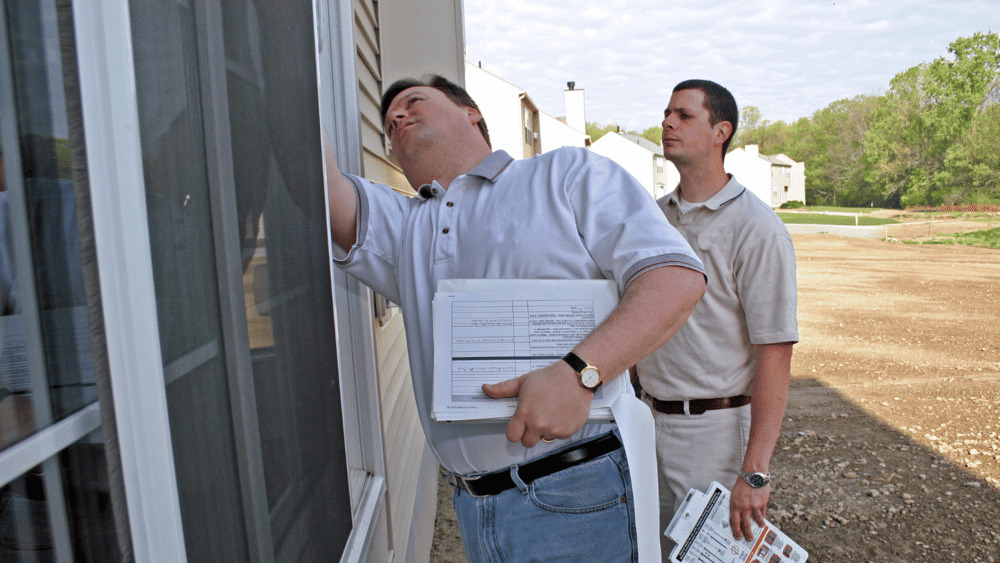
Three Different Things Called a “Foundation Inspection”
This trips up a lot of homeowners, so it is worth sorting out first. Not all of these cost the same or serve the same purpose.
1. A contractor’s evaluation
A foundation repair company sends someone to look at your house, assess whether movement has occurred, and tell you what repairs, if any, they would recommend. A free foundation inspection in DFW is the norm rather than the exception, so this almost never costs you anything.
The tradeoff is obvious and worth naming: the person evaluating your house also sells the repair. A reputable contractor will tell you when nothing is wrong, and many do. But it is fair to seek a second opinion if a recommendation feels aggressive.
2. A structural engineer’s report
A structural engineer report on a foundation is prepared by a licensed professional engineer who evaluates the house and produces a written, stamped document. The engineer does not sell repairs, so the assessment is independent. This is the document most North Texas cities require before permitted foundation work can begin, and the one that carries weight in a real estate negotiation or an insurance claim.
This one costs money. More on that below, and our page on engineer’s reports for foundation repair covers what they include.
3. A general home inspection
The whole-house inspection during a real estate transaction includes a look at the foundation, but it is a generalist’s overview. A home inspector will flag visible cracks and note if floors seem uneven. They typically will not run an elevation survey or diagnose the cause. When a home inspector flags a foundation concern, the usual next step is one of the first two options above.
What Actually Happens During an Inspection
A thorough evaluation covers the same ground regardless of who performs it.
A conversation first. Expect questions before anyone looks at anything: How long have you owned the house? What have you noticed, and when did it start? Any history of plumbing leaks, drainage problems, or previous foundation work? Are there large trees near the house? Do you water the foundation? This context matters, because the same crack means different things on a house with a history of slab leaks than on one without.
An exterior walk. The inspector circles the house looking at brick and mortar for stair step cracking, checking whether the soil has separated from the foundation, sighting along walls for bowing, checking the chimney for separation, and looking at grading, gutters and downspouts to see where water goes. Drainage gets real attention, because in North Texas water management is usually part of the cause.
An interior walk. Room by room: doors that stick or fail to latch, gaps at the top of door frames, cracks at the corners of windows and doorways, separation between walls and ceilings, baseboards pulling away, and floors that slope or feel soft.
An elevation survey. This is the part that separates a professional evaluation from a careful homeowner’s look. Using a laser level or manometer, the inspector measures the relative height of your floor at points throughout the house and maps the results. It shows how much the foundation has moved, in what direction, and where the low and high points sit. A quarter inch of variation across a room is unremarkable. Two inches across the house is a different conversation.
A crawl space check on pier and beam homes. If you have a pier and beam foundation, the inspector goes underneath to check piers for cracking or leaning, look for rotted or insect-damaged wood, see whether shims have fallen out, and assess moisture and ventilation. This part often finds problems invisible from inside the house.
Plumbing questions. A slab leak under the house can wash out soil and cause movement that looks exactly like normal settlement. If the pattern suggests it, expect a recommendation for a plumbing test before anyone talks about piers.
More detail on the process is on our page covering what a home foundation inspection involves.
How Long It Takes
For a typical single family home, a contractor’s evaluation runs 30 to 60 minutes. Larger homes, or pier and beam houses where crawl space access takes time, can run longer.
An engineer’s assessment usually takes about the same amount of time on site, with the written report following within a few days to a week.
You should plan to be present. You can point out what prompted the call, answer questions about the history of the house, and hear the findings in person rather than reading them cold. If the house is vacant or on a lockbox, arrange to meet the inspector there.
What the Report Includes
A contractor’s estimate is generally shorter and practical. Expect findings from the walkthrough, the elevation readings, a recommendation, a proposed scope of work if repairs are advised, pricing, and warranty terms.
A structural engineer’s report is more formal. It typically includes an elevation survey with a floor plan diagram showing measurements, documentation of observed conditions, an opinion on the cause, a recommendation on whether repair is warranted, and the engineer’s stamp and signature. Because it is independent of any contractor, it is the document to have when you need something a third party will take seriously.
What a Foundation Inspection Costs in Texas
Foundation inspection cost in Texas depends entirely on which of the three you are getting.
Contractor evaluations: free. This is the standard across DFW. Occasionally a long drive outside the normal service area carries a fee, but that is unusual. Our page on foundation inspection costs covers the specifics.
Structural engineer’s report: roughly $300 to $1,000, with $300 to $600 typical for a standard single family home in the DFW area. Price depends on home size, complexity, and how quickly you need it.
Geotechnical soil report: roughly $500 to $3,000. This is a specialized study of the soil itself, not something most homeowners need. It comes up on new construction, major additions, or unusual cases.
A reasonable sequence for most people: start with the free evaluation, and get an engineer involved if repairs are recommended, if you need documentation for a transaction, or if you simply want an independent read before spending significant money.
When You Actually Need One
Before buying a house
A foundation inspection before buying a house is the clearest case on this list. A general home inspection flags obvious problems, but if the house shows any foundation signs, or if it is an older home in an area with known soil movement, a dedicated evaluation is worth it before the option period closes.
What to ask the seller: has foundation work been done, is there documentation, and is the warranty transferable? A transferable warranty on past repairs is a genuine asset rather than a red flag. Our foundation inspection checklist for real estate transactions covers the full list.
After you notice signs
Sticking doors, new cracks, sloping floors, separation between walls and ceilings. One sign alone is usually worth monitoring rather than acting on. Several together, or one that is clearly getting worse, is worth a call. Our guide to the signs your foundation needs repair sorts them by urgency.
Before a major renovation
Adding a room, taking out a wall, or installing tile, hardwood or stone flooring. All of these are worth doing on a stable foundation. Laying expensive tile over a slab that is still moving is how a cosmetic project turns into a repeat expense.
After a severe drought
North Texas summers do real work on clay soil. After an extended drought, particularly one where you saw significant separation between soil and foundation, a fall evaluation is sensible. This is also the reasoning behind checking the house yourself each October.
Before selling
Knowing what a buyer’s inspector will find puts you in a stronger position. Finding out during the option period, when the buyer controls the timeline, is worse than knowing beforehand.
When an insurance claim or plumbing leak is involved
If a slab leak has been washing out soil, documentation of the resulting movement matters for both the claim and the repair plan.
When You Probably Do Not Need One
- A single hairline crack in drywall in a house built in the last few years
- A porch or step that has settled slightly while the house itself shows nothing
- A door that sticks in humid weather and works fine the rest of the year
- Cracks you have already documented that have not changed in several years
None of these rules out getting a free evaluation for peace of mind. They just are not urgent.
How to Get the Most Out of It
- Write down what you have noticed and when it started. Dates help more than descriptions.
- Bring photos if you have been documenting cracks over time. A year of photos is genuinely valuable.
- Clear access to the crawl space entry, the perimeter of the house, and any interior area where you have concerns.
- Have documentation of past repairs, plumbing work, or previous reports ready.
- Ask what the elevation readings actually showed, not just the conclusion.
- Ask what would happen if you did nothing for a year. A good inspector will give you a straight answer.

Schedule a Free Inspection
If you have been putting this off, the cost is not the obstacle you might think. Schedule a free estimate with HD Foundations and we will evaluate your slab or pier and beam foundation, walk you through what we find, and tell you plainly whether repairs are warranted. If they are not, we will say so. If an engineer’s report makes sense for your situation, we can point you toward one.
Our evaluations take under an hour and cost nothing. Any repair work carries a lifetime transferable warranty that passes to the next owner if you sell.
Call 817-226-7221 or request your inspection online. We serve homeowners throughout the DFW metroplex, including Dallas, Fort Worth, Arlington, Irving, Plano, Frisco and Mansfield.