
A sinking concrete driveway is one of the most visible signs that something has shifted under the slab. It can create a tripping hazard, make the front of the home look neglected, trap water near the garage, and raise bigger questions about whether the issue is isolated or connected to the home’s foundation.
In DFW, concrete driveway lifting is common because North Texas soil moves. Clay soil expands when it absorbs moisture and shrinks when it dries out. Over time, that movement can create voids beneath the driveway. Once the slab loses support, it may sink, tilt, crack, or settle unevenly.
HD Foundations offers mudjacking and polyurethane foam lifting in Dallas-Fort Worth for uneven concrete areas including driveways, sidewalks, patios, pool decks, and other slab surfaces.
Why Concrete Driveways Sink in DFW
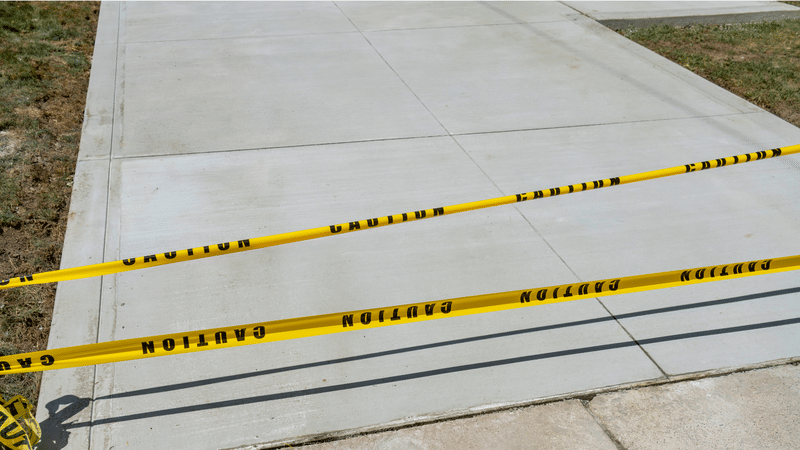
The most common reason concrete driveways sink in DFW is soil movement. North Texas clay expands and contracts dramatically as moisture levels change. During wet periods, soil can swell. During dry periods, it can shrink away from the slab. That repeated movement can leave unsupported pockets beneath the concrete.
Drainage is another major cause. If water runs under the driveway instead of away from it, it can wash out soil and create empty spaces beneath the slab. Poor grading, short downspouts, broken irrigation lines, and water that pools near the driveway can all contribute to erosion.
Tree roots can also create problems. Large roots may lift sections of concrete, while decaying roots or disturbed soil can leave voids behind. In older DFW neighbourhoods, mature trees, narrow driveways, and clay-heavy soil can create a combination of root pressure and slab settlement.
Is It a Foundation Problem or Just Driveway Settling?
A sunken driveway does not always mean the home’s foundation is failing. Sometimes the issue is isolated to the driveway slab, especially when the sinking is limited to one section and there are no symptoms inside the home.
However, homeowners should pay close attention to nearby warning signs. If the sinking driveway is paired with exterior brick cracks, interior wall cracks, sticking doors, sloped floors, gaps around windows, or water draining toward the house, it may be time to look beyond the driveway. HD Foundations explains more about structural warning signs and repair options on its slab foundation repair page.
A free evaluation can help determine whether the driveway issue is isolated concrete settling, a drainage issue, or part of a larger foundation concern.
Mudjacking vs Polyurethane Foam for Driveways
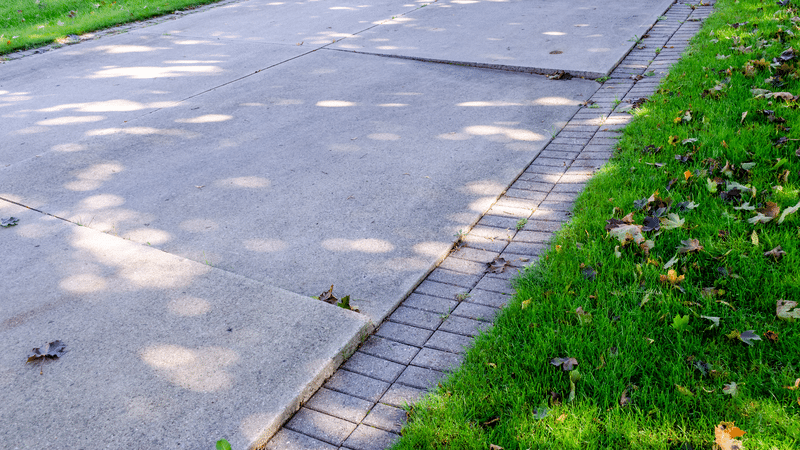
Mudjacking and polyurethane foam lifting both raise sunken concrete by filling the void beneath the slab. The difference is in the material used and how the process performs.
Mudjacking uses a cement-based slurry that is pumped beneath the slab. It can be a practical option for some driveway slabs, especially when the slab is still structurally sound and the void beneath it can be filled effectively. Because the slurry is heavier, it may not be ideal in every soil condition.
Polyurethane foam lifting uses lightweight expanding foam that is injected through smaller holes. The foam expands beneath the slab, fills voids, and lifts the concrete back toward its proper position. For many driveway repairs, polyurethane foam can be less invasive and faster to cure than traditional mudjacking.
HD Foundations’ page on mudjacking and polyurethane foam lifting explains how both methods work and why professional evaluation matters before choosing one.
What Does Uneven Driveway Concrete Repair Cost?
The cost to repair a sunken driveway slab depends on the size of the affected area, the amount of lift needed, the depth of the void, access conditions, and whether drainage correction is also needed. A small isolated slab section will usually cost less than a long driveway with multiple sunken panels.
Mudjacking is often less expensive upfront, while polyurethane foam lifting may cost more depending on the material and scope. Replacement is usually the most expensive option because it involves demolition, hauling, forming, pouring, and curing new concrete.
Cost should not be the only deciding factor. If the slab is mostly intact and the problem is voids or isolated settling, lifting may be a smart repair. If the concrete is badly cracked, crumbling, heavily displaced, or affected by ongoing drainage problems that are not corrected, replacement may make more sense.
When Replacement Is Better Than Repair
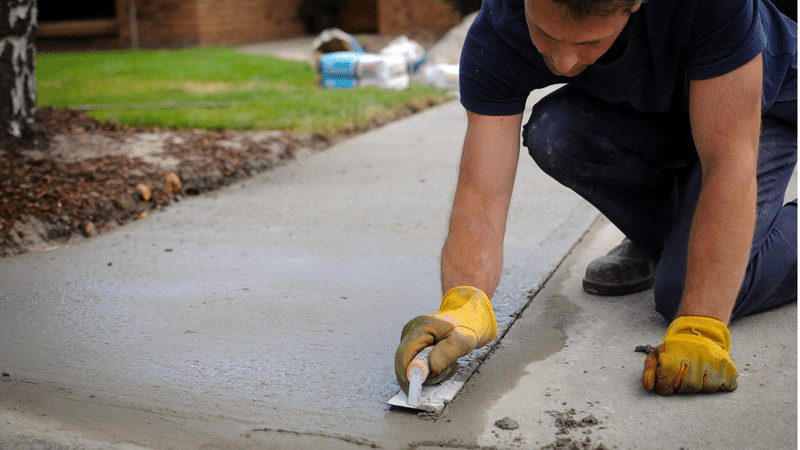
Driveway lifting works best when the concrete is still in reasonably good condition. If the slab has large structural cracks, severe surface deterioration, major root damage, or multiple broken sections, lifting may not produce a clean or lasting result.
Replacement may also be better when the driveway was poorly installed, lacks proper thickness or reinforcement, or has drainage problems that require redesigning the surrounding grade. In those cases, lifting the existing slab may only solve part of the problem.
Before deciding, it is worth checking whether drainage is contributing to the settling. HD Foundations provides drainage systems and French drain systems that may help address the water movement causing soil erosion beneath concrete surfaces.
If your driveway is sinking, uneven, or creating a drainage problem near the home, schedule a free estimate with HD Foundations to find out whether lifting or replacement is the better next step.