
If you are preparing to list your property on the DFW real estate market, calculating your expected foundation repair home value return is one of the most critical financial assessments you can make.
In North Texas, our local geology is dominated by highly expansive clay soil. This unique soil behaves like a sponge: it swells aggressively during wet spring months and shrinks rapidly during scorching summer droughts. Because the ground beneath our neighborhoods is constantly in motion, foundation shifting, settling, and cracking are everyday realities for local properties.
When it comes time to sell, leaving these structural issues unaddressed can severely compromise your hard-earned equity. Understanding how fixing these issues protects your listing price, satisfies strict Texas property disclosures, and reassures skeptical buyers is essential for a successful real estate transaction in the Metroplex.
Does Foundation Repair Increase Home Value?

To understand how foundation stabilization impacts your bottom line, it is helpful to look at it through the lens of asset protection. Homeowners often ask if installing piers or leveling a concrete slab will artificially inflate their property’s market value beyond the neighborhood average. The short answer is no; repairing a foundation does not typically raise a home’s price above its standard comps. Instead, what foundation repair actually does is restore and protect the existing market value that would otherwise be heavily discounted due to structural defects.
The True Cost of Leaving Damage Unrepaired
Think about how an ordinary homebuyer shops in today’s competitive market. If a buyer sees two identical houses listed for $400,000 in the same Arlington or Plano neighborhood, but one has a perfectly level foundation while the other has noticeable interior drywall cracks and sticking doors, they will not view them as equal assets. A savvy buyer will immediately calculate the time, stress, and disruption required to hire a contractor after closing.
Because of that added risk, buyers do not just ask for a discount equal to the exact cost of the repair. They frequently apply what real estate agents call a “fear tax,” submitting lowball offers that are double or triple the actual cost of the structural work. By taking care of the foundation leveling before your home hits the market, you effectively wipe out that negotiating leverage, allowing you to hold firm on your original listing price.
Avoiding the “Stale Listing” Trap
Investing in professional repair beforehand keeps your property competitive from day one, attracting standard buyers who want a move-in-ready home rather than bargain hunters looking for a distressed property to flip.
- Maintains Appraised Value – Ensures the property values cleanly against comparable neighborhood home sales.
- Reduces Days on Market (DOM) – Prevents the property from sitting unsold, which avoids the need for desperate price slashes.
- Maximizes Buyer Competition – Keeps the pool of interested buyers broad instead of limiting your market to discount investors.
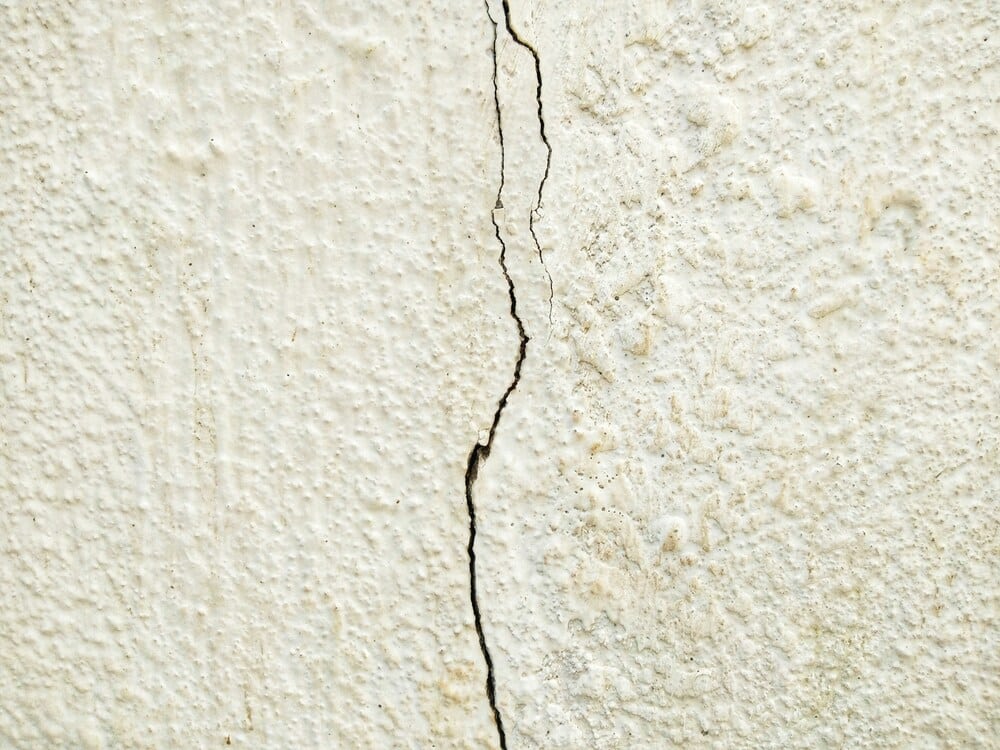
When facing an expensive structural problem, some sellers wonder if it is possible to simply ignore the foundation movement, patch over the visible cosmetic flaws, and hope the buyer’s home inspector doesn’t notice. In the state of Texas, attempting to bypass the problem this way carries severe financial and legal liabilities.
The Mandatory Seller’s Disclosure Notice
The Texas Property Code is very explicit regarding a seller’s duty to reveal known defects. Every residential seller must complete a comprehensive Seller’s Disclosure Notice honestly and to the best of their knowledge. This legal document includes dedicated check-boxes asking if you are aware of any previous structural repairs, current foundation issues, settling soils, or defects in the structural walls.
Under the law, foundation repair disclosure in Texas is completely mandatory. If you have noticed stair-step cracks in your exterior brickwork, sloping indoor floors, or gaps around your window frames, you are legally obligated to put those details in writing for any prospective buyer to see.
The Consequences of Non-Disclosure
Trying to hide these flaws by filling cracks with cosmetic caulk or covering up drywall separation with fresh paint can backfire spectacularly.
- Inspector Red Flags
Local home inspectors are highly trained to uncover covered-up settling, looking closely at rooflines, trim work, and floor elevations.
- Transaction Collapse
If active, hidden damage is discovered mid-contract, buyers almost always walk away from the deal in a loss of trust.
- Post-Sale Lawsuits
If a buyer uncovers concealed structural defects after closing, you can be sued under the Texas Deceptive Trade Practices Act (DTPA) for triple damages and attorney fees.
Disclosing that your home previously experienced shifting but was permanently stabilized by a licensed contractor turns a terrifying legal liability into a documented historical fact that protects you from future litigation.
How Buyers and Lenders View a Repaired Foundation
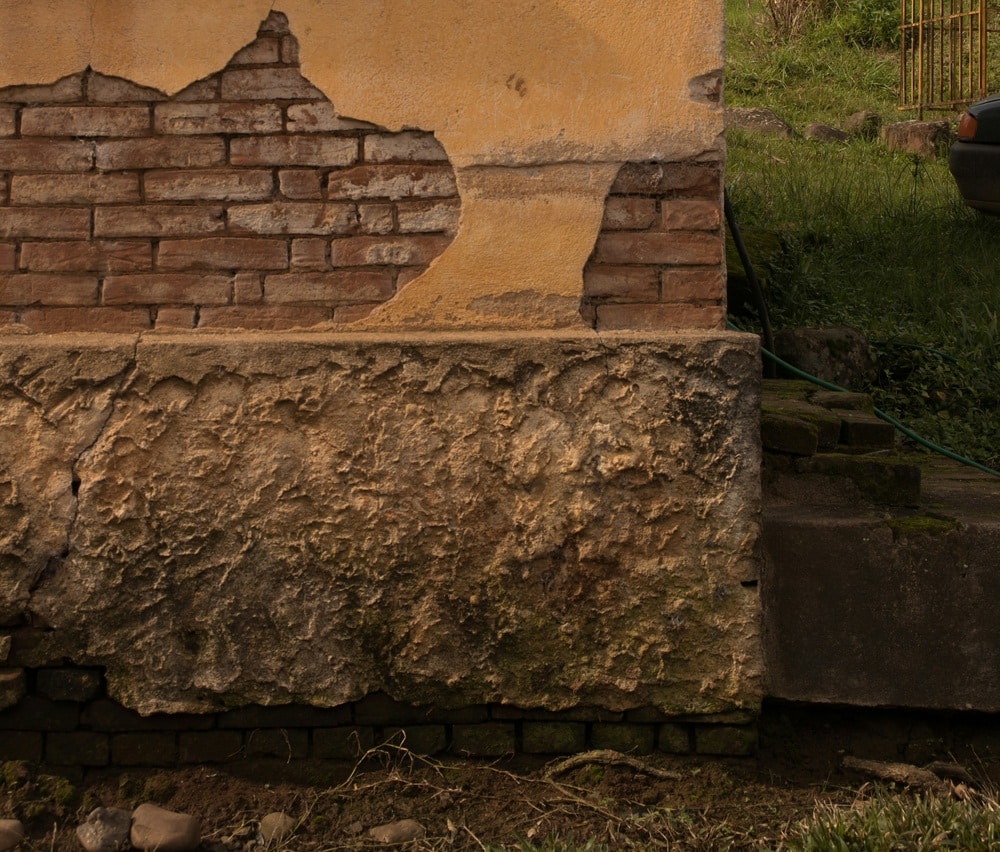
An unrepaired foundation does not just scare away buyers; it can also completely break a real estate transaction by preventing the buyer from securing financing. The vast majority of everyday home buyers rely on traditional mortgage products, including conventional loans or government-backed options like FHA and VA loans. All of these financial institutions enforce incredibly strict underwriting guidelines when it comes to the structural integrity of the collateral.
The “Subject to Repairs” Appraisal Roadblock
During the transaction process, the buyer’s lender will send a licensed appraiser to evaluate the property. If that appraiser notes active foundation failure, sagging support beams, or severe slab cracking, they will mark the appraisal report as “subject to repairs.” This designation means the bank will flatly refuse to release the funds or close the loan until the structural defects are professionally corrected and certified by an engineer.
If you attempt to sell a home with active foundation damage, you automatically eliminate all buyers who require standard financing. You force yourself to market the home exclusively to cash buyers or real estate investors, who will expect a massive discount of thirty to forty percent off fair market value in exchange for taking on a structurally compromised house.
Streamlining the Mortgage Underwriting Process
When a home has been properly leveled and stabilized prior to the sale, the entire underwriting process changes. By providing prospective buyers and their lenders with formal structural engineering reports, building permits, and a professional contractor’s invoice, you prove that the house meets all necessary structural codes. Lenders can process the loan smoothly, appraisers can pass the property without conditions, and the pool of eligible buyers remains wide open.
The Ultimate Closing Tool: HD’s Lifetime Transferable Warranty
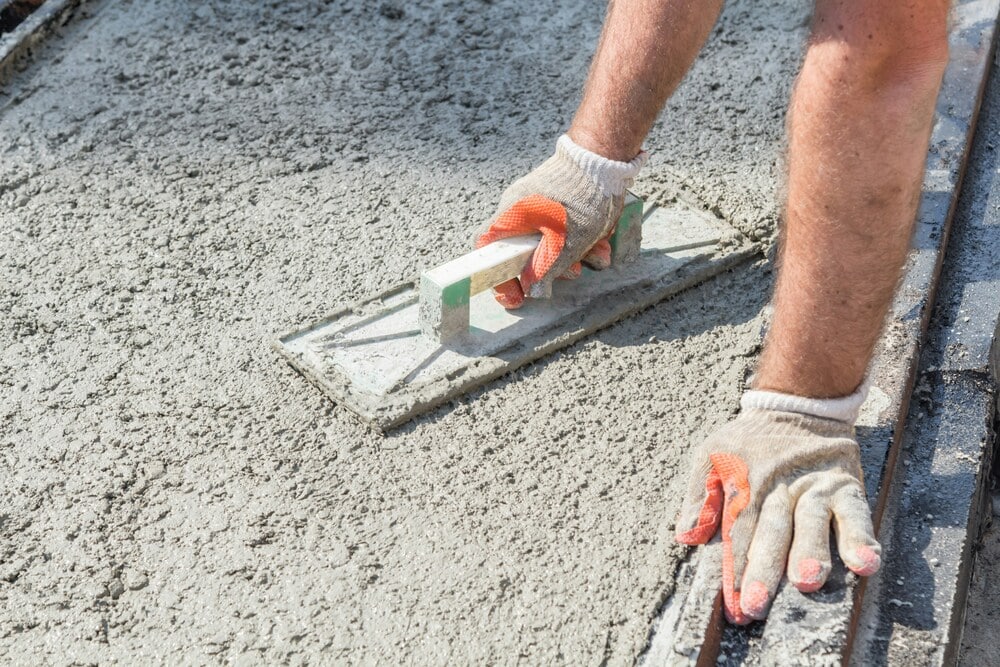
When you are navigating the process of selling a home after foundation repair in Texas, having documented proof of the work is just as critical as the physical pilings beneath your concrete slab. Buyers need absolute certainty that the solution is permanent and that they won’t inherit an expensive headache a few years down the road. This is where partnering with HD Foundation Repair provides a massive strategic advantage for your real estate listing.
Permanent Protection That Sticks with the House
We understand that North Texas clay soil never stops moving, which is why we do not offer temporary quick fixes or short-term patches. We build long-term structural stability using heavy-duty, hydraulically driven pressed concrete or steel pilings that reach deep into the earth to find stable, load-bearing soil strata. Because we stand completely behind the quality of our work, we back our foundation pilings with a true Lifetime Transferable Warranty.
Turning a Liability Into a Major Selling Point
This warranty is a powerful tool when listing your home for sale. It means that the structural guarantee does not belong to you as an individual; it belongs to the house itself.
- Automatic Protection Transfer – The warranty transfers to the new homeowner automatically, requiring no fees or complicated paperwork.
- Eliminates Buyer Anxiety – If the deep North Texas clay soils shift again years from now, our company returns to adjust the covered pilings at absolutely no cost to the current owner.
- An MLS Marketing Advantage – When your real estate agent uploads a copy of our lifetime transferable warranty directly into the local Multiple Listing Service (MLS), it transforms a past repair history into a premium asset.
Secure Your Home’s Equity Before Listing
Waiting for a buyer’s inspector to uncover foundation issues will damage your negotiating leverage and delay your closing. Taking control of the repairs before listing ensures you protect your hard-earned equity and remain in the driver’s seat. For over 17 years, we have helped DFW homeowners secure their property values with honest, practical structural pricing. Repairing your slab or pier and beam house ahead of time guarantees a smoother transaction and total peace of mind.
Contact HD Foundation Repair today at (817) 226-7221 to schedule your FREE Estimate before your home hits the market.
Frequently Asked Questions
1. Will foundation repair hurt my home’s resale value?
No. Professionally repaired foundations backed by structural engineering reports and a transferable warranty do not lower your home’s value. In fact, completing the repairs before listing protects your home from steep price deductions, lowball investor offers, and failed bank appraisals that occur when active structural damage is left unaddressed.
2. Can you sell a house with foundation issues in Texas?
Yes, but your options are limited and more expensive. Texas law requires full disclosure of all known structural defects. If you sell a house as-is with active foundation issues, traditional buyers requiring mortgage financing (FHA, VA, conventional) will be disqualified by their lenders. This forces you to sell exclusively to cash buyers or real estate flippers who will demand a massive discount off fair market value.
3. How do I transfer my HD Foundation Repair warranty to the new buyer?
Our lifetime warranty belongs to the home itself, not the individual owner. It transfers automatically to the new property owner upon the sale of the house without any hidden transfer fees, complicated re-inspections, or administrative paperwork. It is designed to be completely seamless so your real estate agent can use it as an active selling feature on the MLS listing.
4. Should I fix my foundation or offer a buyer credit at closing?
It is almost always financially wiser to fix the foundation before listing. When you offer a repair credit, buyers frequently apply a “fear tax” because they do not want to manage a major construction project after moving in. A credit rarely stops a buyer from submitting a heavily discounted offer, whereas a fully repaired foundation eliminates their negotiating leverage entirely.
5. What happens if a home inspector finds undisclosed foundation cracks?
If an inspector uncovers active foundation movement that you failed to include on your Seller’s Disclosure Notice, it usually results in the immediate collapse of the sale due to a loss of trust. Furthermore, intentionally concealing structural defects in Texas can expose you to severe post-sale lawsuits under the Deceptive Trade Practices Act (DTPA) for triple damages.