
Quick Summary
Expansive clay soil in North Texas is one of the primary causes of foundation damage in the Dallas–Fort Worth (DFW) area. As moisture levels fluctuate, the soil expands and contracts, creating pressure that leads to cracks, uneven floors, and structural movement. Early detection, proper drainage, and professional evaluation are key to protecting your home.
Key Facts About Clay Soil & Foundations in DFW
- Soil Type: Expansive clay (high shrink-swell capacity)
- Main Risk: Differential foundation movement
- Most Affected Foundations: Slab foundations (but pier & beam also impacted)
- Critical Seasons: Summer drought + sudden rainfall
- Top Warning Signs: Cracks, sticking doors, uneven floors
- Best Prevention: Moisture control + proper drainage
- Local Insight: DFW soils are among the most reactive in the U.S.
What Is Expansive Clay Soil?
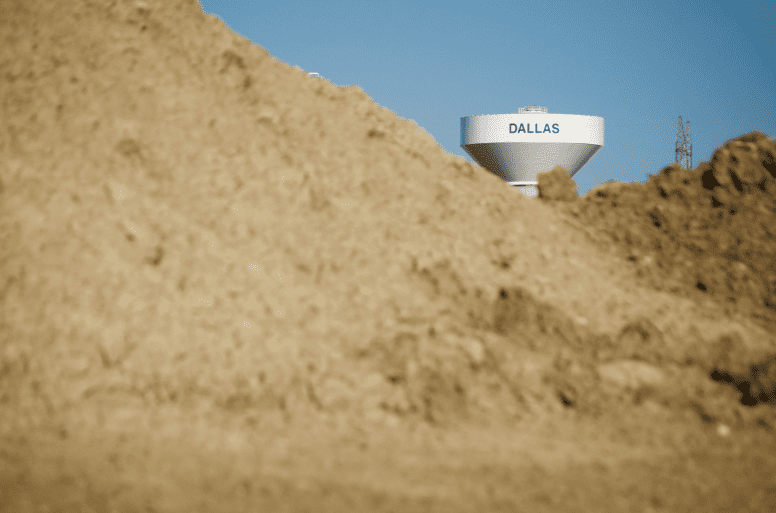
Expansive clay soil is a type of soil that changes volume dramatically based on moisture content. In North Texas, this soil contains minerals that absorb water easily, causing it to swell when wet and shrink when dry.
This movement is often referred to as:
- Soil expansion and contraction
- Soil heave
- Shrink-swell soil behavior
Over time, this constant movement places stress on your foundation, especially in areas like Dallas, Plano, Frisco, Arlington, and Fort Worth, where clay content is especially high.
Why Clay Soil Causes Foundation Problems in Dallas–Fort Worth
The biggest issue isn’t just movement—it’s uneven movement, also known as differential settlement.
When one part of your home expands while another part shrinks, your foundation begins to bend, crack, and shift.
Common Foundation Problems in North Texas Homes
- Slab foundation cracks
- Pier and beam shifting or settling
- Uneven or sloping floors
- Doors and windows sticking or misaligning
- Drywall cracks and ceiling separation
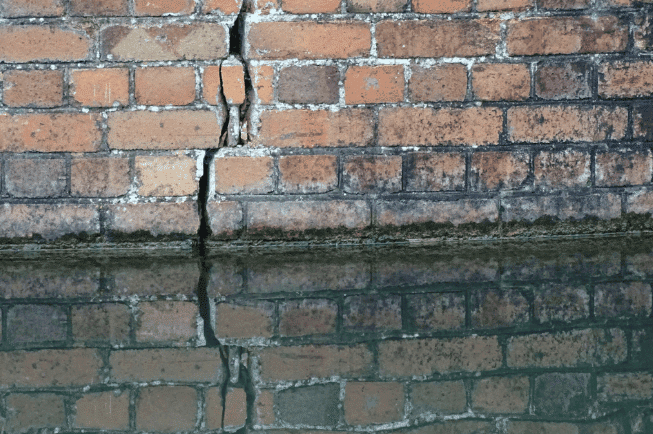
- Stair-step cracks in brick exteriors
- Gaps around window frames and trim
These problems often appear gradually but can accelerate quickly after extreme weather changes.
What We See in Real DFW Foundation Inspections
At HD Foundation Repair, we regularly inspect homes across Dallas, Fort Worth, Plano, McKinney, and surrounding areas, and a few consistent patterns show up:
- Homes experience the most movement during late summer, when soil is at its driest
- The first major rain after a drought often triggers noticeable foundation shifts
- Slab foundations tend to show corner cracking and interior stress fractures
- Homes with poor drainage or no gutter control systems show significantly worse damage
In many cases, homeowners don’t notice issues until the movement has already progressed.
Slab vs. Pier & Beam Foundations in Clay Soil
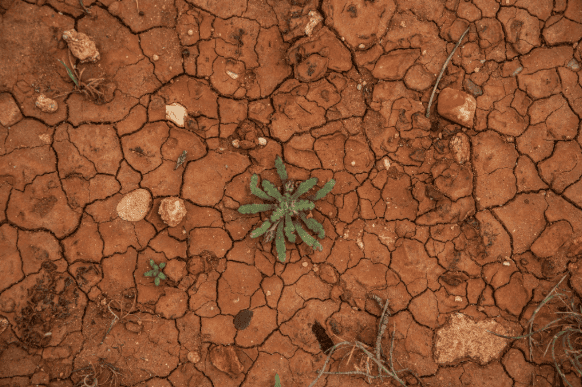
Both foundation types are affected by expansive clay—but differently.
Slab Foundations
- More directly impacted by soil movement
- Tend to crack when pressure is uneven
- Common in newer DFW homes
Pier & Beam Foundations
- More flexible but still vulnerable
- Can experience shifting, sagging, or beam misalignment
- Often affected by moisture imbalance under the home
How Much Foundation Movement Is Normal?
Not all cracks mean serious damage—but some do.
General Guidelines Homeowners Can Use
- Hairline cracks (< 1/8 inch): Often cosmetic, monitor over time
- 1/8 to 1/4 inch cracks: Moderate concern, may indicate movement
- 1/4 inch or larger: Likely structural issue—inspection recommended
- Doors/windows sticking suddenly: Often an early warning sign
- Multiple symptoms at once: Strong indicator of foundation movement
If you’re unsure, a professional evaluation is the safest next step.
How North Texas Weather Accelerates Foundation Damage
The DFW climate creates the perfect conditions for soil movement:
Typical Annual Cycle
- Summer Heat
- Soil dries, shrinks, and pulls away from foundation
- Sudden Rainfall
- Soil rapidly expands and pushes against foundation
- Repeat Cycle
- Ongoing expansion and contraction weakens structural stability
This cycle is especially aggressive in areas with poor drainage or inconsistent watering practices.
Should You Water Your Foundation? (Common Texas Question)
Yes—but it must be done correctly.
Best Practices:
- Maintain consistent moisture levels, not oversaturation
- Use soaker hoses during extended dry periods
- Avoid sudden, excessive watering
What to Avoid:
- Letting soil fully dry out, then overwatering
- Creating uneven moisture zones around your home
👉 Inconsistent watering can actually make foundation problems worse, not better.
How to Prevent Foundation Damage from Clay Soil
Proven Prevention Strategies
- Install effective drainage systems (French drains, surface drains)
- Keep gutters and downspouts clear and extended away from the home
- Maintain proper grading around your foundation
- Use foundation watering systems during drought conditions
- Schedule periodic foundation inspections
These steps help stabilize soil conditions and reduce structural stress.
Professional Foundation Repair Solutions in North Texas
If your foundation has already moved, professional repair is often required to stabilize your home.
At HD Foundation Repair, we design solutions specifically for expansive clay soil conditions, including:
- Concrete piers
- Steel piers
- Pier and beam adjustments
- Foundation leveling and stabilization
Every repair plan is based on a detailed on-site evaluation, ensuring the root cause is addressed—not just the symptoms.
Why DFW Homeowners Trust HD Foundation Repair
- Free, no-obligation foundation evaluations
- Deep experience with North Texas soil behavior
- Proven repair methods designed for long-term performance
- Lifetime transferable warranty
- Honest, transparent recommendations
We don’t just repair foundations—we help homeowners understand why the problem happened and how to prevent it from returning.
Schedule Your Free Foundation Evaluation
Foundation problems caused by clay soil tend to worsen over time—especially in the North Texas climate. If you’re seeing cracks, sticking doors, or uneven floors, it’s important to act early.
HD Foundation Repair has extensive experience working with expansive clay soil conditions across the Dallas–Fort Worth metroplex, helping homeowners accurately diagnose and address foundation movement before it leads to more costly structural damage.
We provide free, no-obligation foundation evaluations, along with clear, honest recommendations based on your home’s specific conditions.
Contact HD Foundation Repair today to schedule your evaluation and protect your home’s foundation.
FAQ
Why is North Texas soil so bad for foundations?
North Texas has a high concentration of expansive clay soil, which expands when wet and shrinks when dry, causing constant ground movement beneath foundations.
Which areas in DFW have the worst clay soil?
Cities like Dallas, Plano, Frisco, McKinney, and Arlington commonly experience significant clay soil movement due to high clay content.
Are slab foundations more likely to crack in Texas?
Yes, slab foundations are more directly affected by soil expansion and are more prone to cracking under uneven pressure.
Can you permanently fix clay soil foundation issues?
While you can’t change the soil, professional foundation repair systems can stabilize your home and prevent further movement.
How long does foundation repair last?
With proper installation, many foundation repair solutions—especially those with a lifetime warranty—are designed to last for the life of the home.
Does homeowners insurance cover foundation damage?
Most policies do not cover damage caused by soil movement, making prevention and early detection critical.