
Once you have reviewed your evaluation and scheduled your service with HD Foundation Repair, it is completely normal to feel a mix of relief and anxiety. You know your home is on the road to becoming structurally sound, but the thought of a heavy crew working around your property can feel daunting.
Preparation is the absolute best way to lower your pre-job stress and ensure the entire process moves smoothly. Because a foundation lift relies on heavy hydraulic equipment and physical excavation, your home and yard undergo a temporary construction zone transformation. Taking a few proactive steps before our trucks back into your DFW driveway protects your belongings, keeps our crew safe, and guarantees the highest quality outcome for your concrete slab or pier and beam home. Here is exactly what you need to do to get your property ready before the crew arrives.
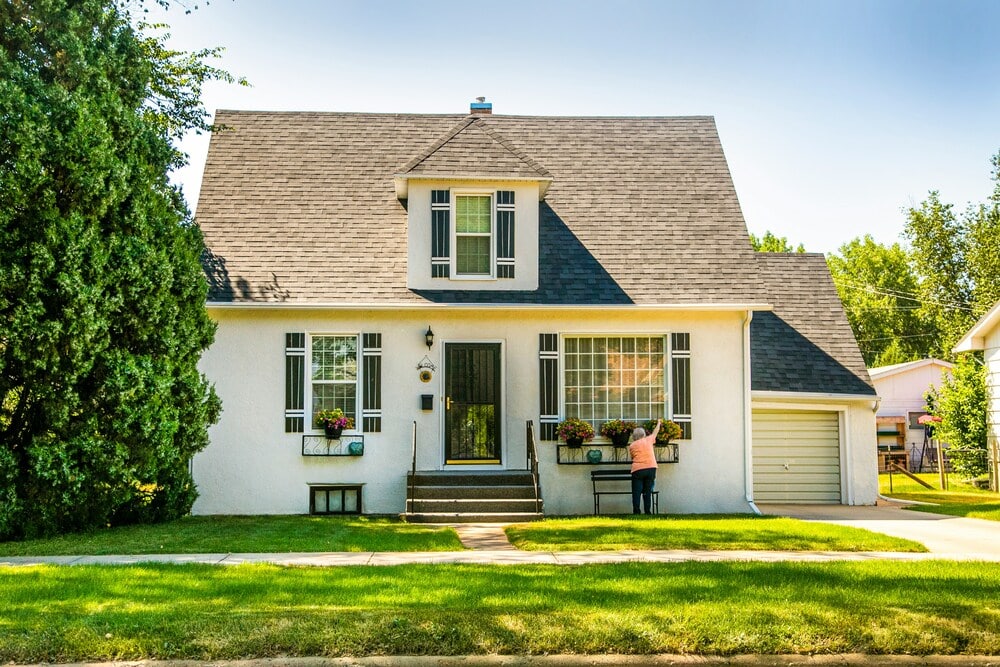
1. Preparing the Interior of Your Home
Many homeowners assume that because our crew does most of their work outside around the perimeter of the house, the inside of the home requires zero attention. However, when hydraulic jacks slowly elevate a concrete slab to restore its original position, the entire structural framing of your house moves with it. This creates noticeable structural vibrations throughout the walls and floors.
Clear the Walls and Shelves
Take down all hanging pictures, heavy mirrors, clocks, and decorative art from every wall in the house—not just the rooms near the active foundation failure. Remove loose, fragile items, family heirlooms, and porcelain from open shelving units, china cabinets, and bookcases. The vibrations from pier installations can cause these items to rattle, shift, and fall.
Moving Furniture Before Foundation Repair
If your repair plan requires interior pilings—which happens in about ten percent of DFW slab jobs—our crew will need clear access to specific points inside your living space. If your job is strictly exterior, you still need to pull heavy furniture, such as beds, dressers, and entertainment centers, at least three feet away from your exterior walls. This prevents furniture from rubbing against drywall as the house settles into its new, level alignment.

2. Preparing Your Yard and Landscaping
To install pressed concrete or steel pilings, our team has to dig excavation holes (approximately two feet wide and three feet deep) at precise intervals along your home’s perimeter foundation beam. This means the immediate perimeter of your house becomes an active construction zone.
Landscaping and Plant Relocation
Our crew always lays down heavy tarps to catch excavated soil and minimize surface mess, but existing bushes, shrubs, and flower beds directly against the house will be disrupted.
- Dig Up Prized Plants – If you have expensive landscaping, delicate shrubs, or sentimental rose bushes within three feet of the foundation, dig them up and place them in temporary pots away from the work zone before we arrive.
- Trim Low Branches – Clean up any low-hanging tree branches or overgrown bushes that block clear walking paths along the sides of your home.
Irrigation and Utility Shutoff
Turn off your automatic lawn sprinkler system at least 24 to 48 hours before the crew arrives. Digging in muddy, saturated clay soil makes the excavation process significantly slower and more difficult. Furthermore, ensure you clearly point out the location of your main water shutoff valve, outdoor spigots, and any buried private lines (like landscape lighting or pool lines) to the job foreman during your morning walkthrough.
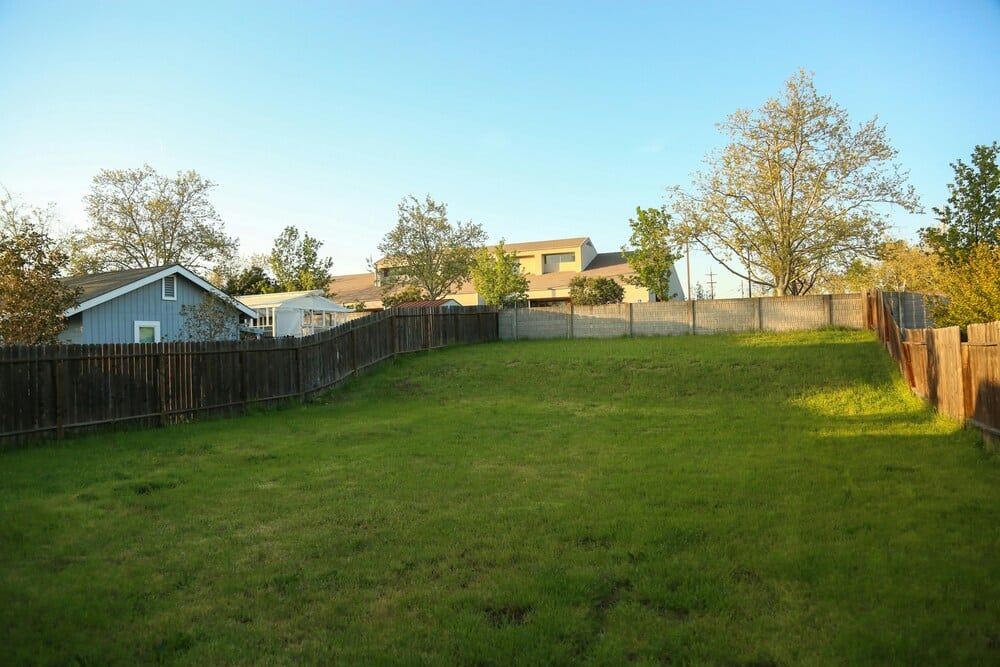
3. Managing Property Access and Parking
Foundation repair requires serious muscle, which means our trucks carry heavy steel equipment, hydraulic cylinders, and tons of concrete pilings. We need clear, unobstructed paths to get these tools into position.
Clear the Driveway and Gate Paths
Move all personal vehicles, trailers, and boats completely out of the driveway and park them down the street before the crew arrives. Our trucks need full access to the driveway to unload pilings and equipment efficiently. Additionally, unlock all side gates leading to your backyard and make sure your pets are safely secured indoors or staying at a separate location for the duration of the project.
4. What to Expect During Foundation Repair
Knowing what a typical day looks like on the job site goes a long way in reducing unexpected surprises for you and your family.
Noise and Disruption Realities
To put it plainly: foundation repair is loud. Our crew uses concrete breakouts, heavy hammers, and loud hydraulic pumps to force structural pilings deep into the North Texas clay soil. You will hear deep thuds, engine noise, and consistent vibrations running through your floors. If you work from home, have sensitive pets, or manage small children who need daytime naps, it is highly recommended to plan your day away from the house while the heavy lifting occurs.
Should You Be Home?
Unless your project requires interior piers—which requires us to peel back carpet and cut through sections of the concrete slab—you do not legally have to remain inside the house during the entire project. However, we do require an adult homeowner to be present for the first 30 minutes of day one to walk the property with our foreman, confirm the layout, and ensure utility access. You will also want to be present near the end of the project when we perform the final hydraulic lift so you can observe the gapping windows and doors moving back into alignment.
5. Timeline: How Long Does Foundation Repair Take?
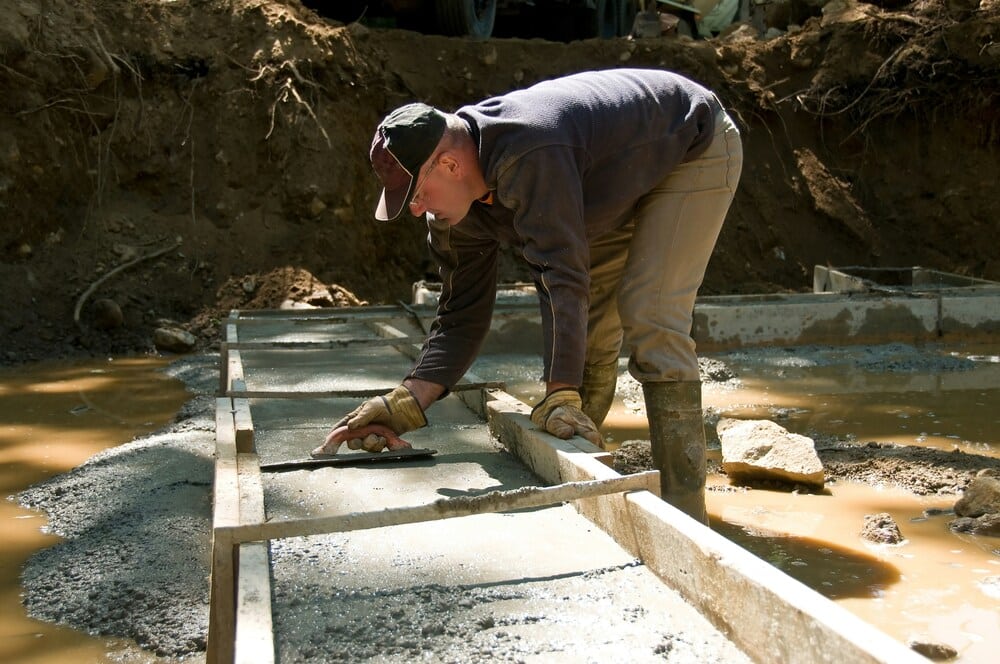
Every property features its own unique soil challenges, but the overall time required to complete your project is directly tied to your total structural pier count.
Average DFW Timelines Based on Pier Count
- Small/Partial Repairs (10 to 15 Piers)
These targeted perimeter jobs are highly efficient and are almost always completed within 1 to 2 business days.
- Standard Perimeter Repairs (15 to 30 Piers)
The typical suburban slab repair in Arlington or Fort Worth falls into this category and generally takes 2 to 3 business days to complete excavation, lifting, and cleanup.
- Large or Complex Repairs (30+ Piers or Interior Work)
If your home requires comprehensive underpinning, interior slab breakouts, or extensive deep tunneling, expect the project to take 4 to 5 business days or longer depending on weather conditions.
Trust the Process and Let Our Crew Handle the Rest
Taking a few hours to check off these preparation steps ensures your home is fully protected and ready for its structural transformation. Once you have cleared your perimeter walls, secured your valuables, and moved your vehicles, our experienced team can step in and focus entirely on stabilizing your slab or pier and beam structure.
For over 17 years, HD Foundation Repair has worked hard to keep the repair process as transparent, clean, and stress-free as possible for families across the DFW Metroplex. If you have any remaining questions about your upcoming repair schedule or want to confirm specific access details for your property, give our team a call directly at (817) 226-7221—we are always here to help you prepare with absolute confidence.
Frequently Asked Questions
1. Do I need to empty my closets before foundation repair?
You do not need to empty your closets unless your repair plan involves interior piers located inside them. If the work is strictly exterior, simply move heavy items or breakables away from closet walls that sit on the outside perimeter of the house.
2. Can foundation repair crack my interior drywall or tile?
Yes, it is possible. As a home is lifted back toward its original level position, drywall that stretched when the house sank will naturally compress, which can cause cosmetic wall cracks or popped nails. Our crew lifts the home slowly and precisely to minimize this cosmetic shifting.
3. How long should I wait to fix cosmetic cracks after the repair is done?
We recommend waiting at least 4 to 6 weeks after your foundation is stabilized before patching drywall, painting, or replacing tile. This brief window allows the home’s wood framing and structural materials time to settle completely into their new, level alignment.
4. Will my plumbing lines be damaged during the lifting process?
When an unlevel slab is raised, old or cast-iron pipes beneath the home can sometimes experience leaks due to the movement. To protect your property, HD Foundation Repair recommends scheduling a professional hydrostatic plumbing test immediately after the lift to ensure your under-slab lines are secure.
5. Do I need to pull permits for my foundation repair?
Most municipalities across the DFW Metroplex require structural building permits and engineering sign-offs for foundation leveling. The team at HD Foundation Repair handles this entire process for you, pulling all necessary city permits and scheduling the final structural inspections.