
If your home was built between the 1950s and 1980s, its foundation has already lived through decades of North Texas soil doing what North Texas soil does — swelling in the wet months, shrinking in the dry ones, over and over. Foundation problems in older DFW homes in Texas aren’t the same story as foundation issues in a house built ten years ago. The materials are different, the plumbing underneath is different, and the soil movement has had a lot more time to do its work. Here’s what actually sets these homes apart, and what to expect if yours is starting to show it.
Why Older DFW Homes Age Differently
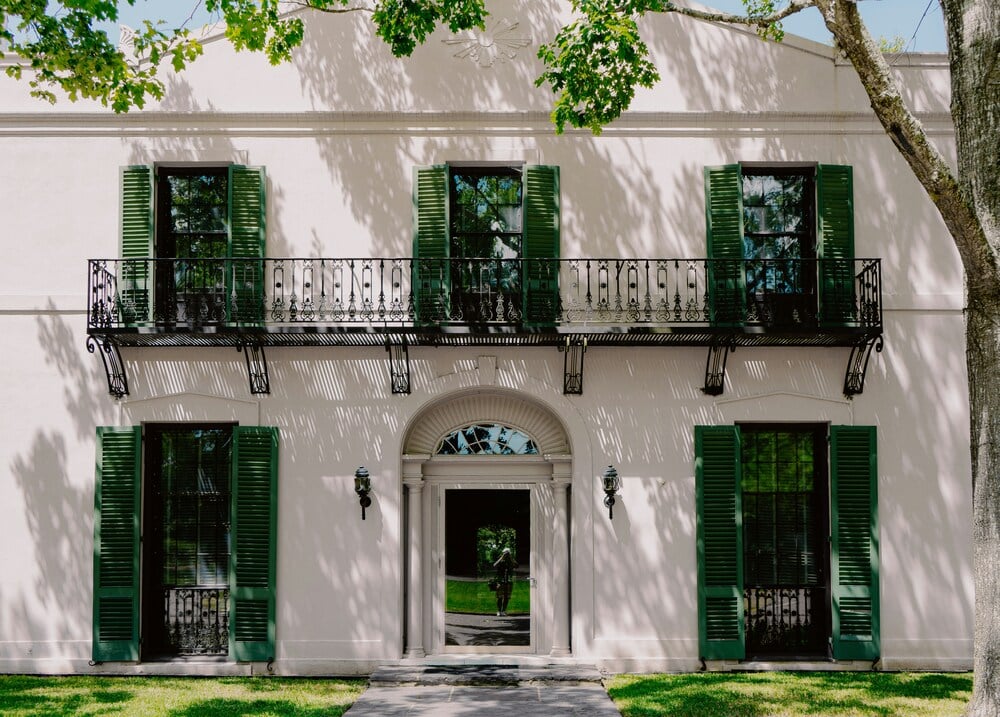
North Texas saw a massive wave of residential construction in the mid-20th century, and a lot of that housing stock is still standing — and still occupied — today. But homes from this era were built before modern foundation engineering caught up with how aggressive our clay soil actually is.
A few things were common in that period that you rarely see in new construction:
- Pier and beam was still the standard, especially through the 1950s and into the ’60s, before slab foundations took over as the more affordable, faster-to-build option.
- Piers were often undersized relative to what we now know the soil demands, since engineering standards and soil data have improved significantly since then.
- Concrete mixes were less consistent. Older concrete didn’t always cure to the strength or durability we expect from today’s mixes, making it more prone to cracking and spalling over time.
- Decades of soil movement are already baked in. A foundation poured in 1965 has been through 60 years of expansion and contraction cycles. Even a well-built original foundation has absorbed a lot of stress by now.
This is really the core of older home foundation repair in DFW: you’re not just dealing with a single issue, you’re dealing with the cumulative effect of a much longer timeline.
How Foundation Problems Show Up Differently in Older Homes
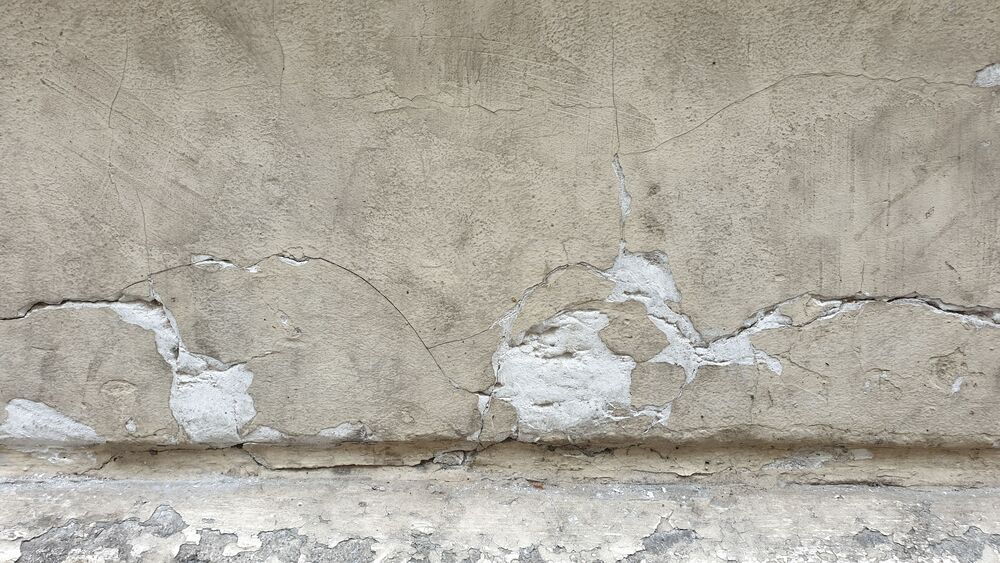
In a newer home, foundation movement often shows up as a single, isolated symptom — one sticking door, one crack. In a home from the 1960s or 1970s, it tends to show up as a pattern across multiple systems at once, because so many of the house’s original components have aged in parallel.
Common signs specific to 1960s and 1970s home foundation issues include:
- Uneven or sloping floors across multiple rooms, rather than in just one area, especially in pier and beam homes where individual piers have settled at different rates.
- Widespread cracking in exterior brick veneer, often stair-stepping through mortar joints — a hallmark of long-term differential settlement.
- Persistent musty odors or humidity in crawl spaces, frequently tied to aging or leaking plumbing lines rather than the foundation itself.
- Multiple doors and windows sticking at once, sometimes on opposite sides of the house, which points to broader structural shifting rather than one-time settling.
- Visible gaps between baseboards and flooring, particularly noticeable in homes that have had multiple flooring updates over the decades.
If several of these are showing up together, that’s a strong signal you’re dealing with an aging foundation slab in Texas or an aging pier and beam system that has moved past the point of isolated repairs.
The Plumbing Connection Nobody Talks About Enough
This is one of the most overlooked parts of older-home foundation problems, and it deserves its own section: cast iron plumbing and old-home foundation issues are frequently linked, and homeowners often treat them as two separate problems when they’re really cause and effect of each other.
Homes built through the 1960s and into the ’70s were commonly plumbed with cast iron drain lines. Cast iron has a functional lifespan of roughly 50 to 80 years before corrosion, scaling, and joint failure become a real risk. Once a home crosses that age threshold, cracked or leaking cast iron lines start releasing water directly into the soil beneath the slab or into the crawl space of a pier and beam home.
That’s a problem for two reasons at once:
- It adds moisture exactly where you don’t want it — concentrated, localized saturation right under the foundation, which accelerates clay soil expansion in that specific spot rather than the more even movement you’d expect from surface rainfall.
- It masks itself as a foundation problem, when the real root cause is a leaking pipe. Piers installed to correct settling won’t hold if the plumbing underneath keeps saturating the soil around them.
If your home still has its original drain lines and you’re seeing foundation movement concentrated near a bathroom or kitchen, it’s worth having both the plumbing and the foundation evaluated together — not separately — before any repair work begins.
What to Expect: Scope and Cost Compared to a Newer Home
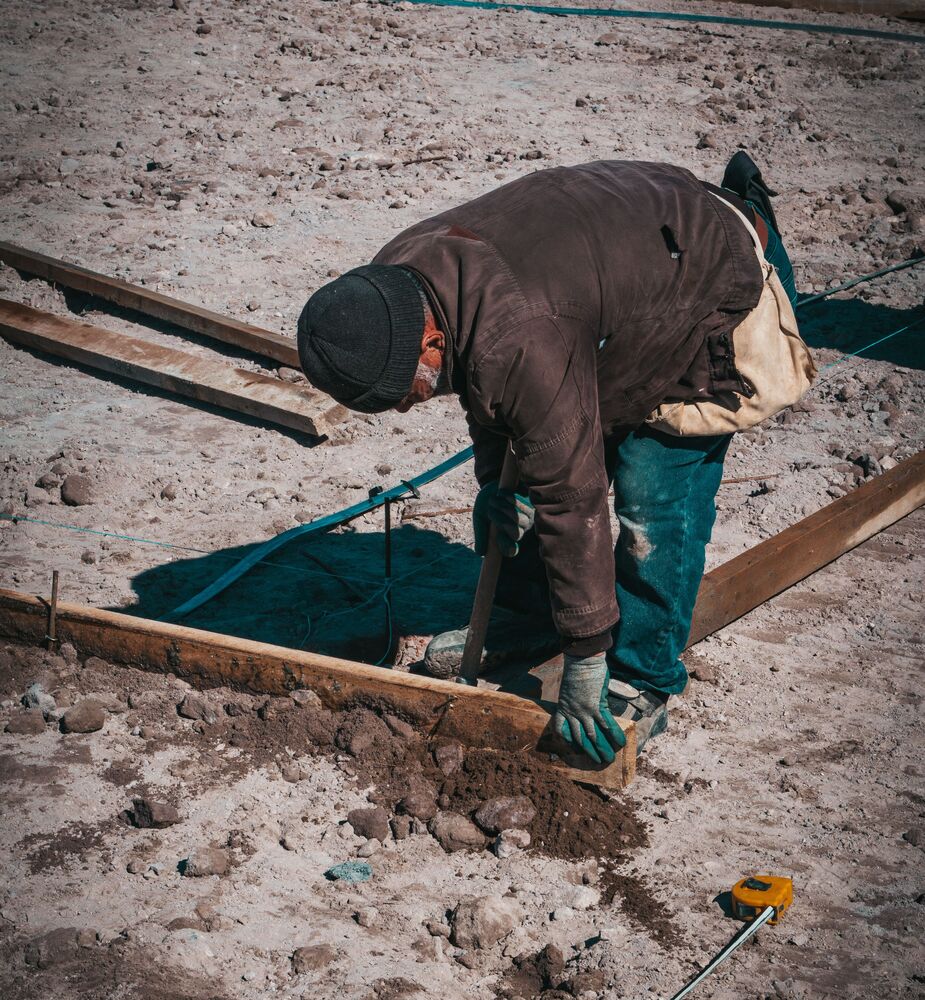
Repairing a foundation in an older DFW home is rarely a smaller job than a comparable repair in a newer house, and it’s often larger. A few reasons why:
- More piers are typically needed. Because original piers were often undersized or spaced further apart than current standards call for, a repair frequently involves adding piers, not just adjusting existing ones.
- Access can be more complicated. Pier and beam aging in the DFW area often comes with decades of stored belongings, old ductwork, or prior amateur repairs in the crawl space that have to be dealt with before piers can even go in.
- Plumbing often needs to be addressed concurrently. If cast iron lines are contributing to the soil movement, repiping or spot-repairing those lines is frequently part of the real fix, which adds cost but prevents the foundation work from failing again.
- Concrete or wood condition varies more. In slab homes, older concrete may need broader crack injection or leveling work. In pier and beam homes, rotten joists, sill plates, or beams are common enough that carpentry repair is often bundled into the foundation scope.
None of this means older homes are a bad investment — it just means the estimate for a 1968 pier and beam home with original plumbing is going to look different than the estimate for a 2015 slab foundation, and it’s worth going into that free evaluation with realistic expectations.
Is It Worth Repairing, or Should You Sell As-Is?
This is the question that comes up most with older homes, and the honest answer depends on how you’re using the numbers.
Repairing before selling is almost always the stronger financial move if you plan to list the home. Texas law requires disclosure of known foundation issues, and unrepaired damage disqualifies most buyers who need mortgage financing — FHA, VA, and conventional loans all require the property to appraise cleanly, and an active foundation issue gets flagged as “subject to repairs.” We cover exactly how this plays out, including disclosure requirements and how a transferable warranty affects your listing, in our post on foundation repair and home resale value in Texas.
Selling as-is can make sense if the scope of repair genuinely exceeds what the home’s value can support after repair — which does happen with some severely deferred-maintenance properties. In that case, you’re typically selling to cash buyers or investors at a steep discount, since they’re pricing in both the repair cost and the uncertainty of what else might be found once work starts.
For most older homes with moderate to significant — but not catastrophic — foundation movement, repair is worth it. The house retains far more value repaired than discounted, and a lifetime transferable warranty gives the next buyer real assurance the work will hold.
When to Bring in a Structural Engineer
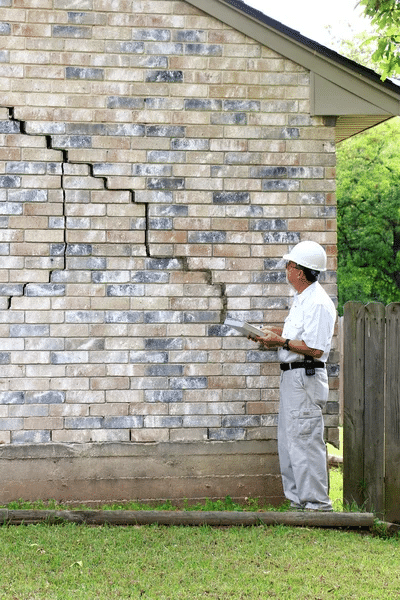
Most foundation repairs on older homes don’t require an independent structural engineer — a qualified foundation contractor can evaluate the piers, soil conditions, and necessary scope directly. But there are a few situations where getting an engineer involved first is the right call:
- The home has had multiple prior repairs and you need an unbiased assessment of whether previous work was done correctly before adding more piers.
- You’re seeing structural cracking in load-bearing walls or beams, not just cosmetic cracks, which can indicate the issue has progressed beyond what pier adjustment alone will fix.
- A lender or buyer’s underwriter is requiring an engineering report as a condition of financing — common once a home has documented foundation history.
- You’re planning a major renovation or addition on an older foundation and need certification that the existing structure can support the added load.
In these cases, an engineer’s report and a contractor’s repair plan work together, not against each other — the engineer confirms the scope, and the contractor executes it.
The Bottom Line
Older DFW homes carry a longer history of soil movement, different construction standards, and — very often — aging plumbing that’s quietly contributing to the exact foundation problems homeowners are trying to fix. That combination means repairs on a 1960s or 1970s home are rarely as simple as “add a few piers,” but it also means catching the pattern early — floors, cracks, plumbing, and all — leads to a far more accurate and manageable repair plan than treating each symptom separately.
If your home falls into this era and you’re starting to see the signs, a free evaluation is the fastest way to find out exactly what you’re dealing with — and what it will actually take to fix it for good. Contact HD Foundations today to schedule yours.